

Quick answer: THCA flower is generally sold as federally compliant hemp today when it tests below 0.3% Delta-9 THC at the time of testing, but the rules are shifting fast.
Here’s the direct answer: legal THCA flower is generally sold as hemp today because it can test below 0.3% Delta-9 THC at the time of testing, even though it may still deliver a classic cannabis experience once heated. Around Asheville, where plant culture, wellness, and a little healthy skepticism all live on the same block, that has made THCA flower one of the most talked-about categories on the shelf – especially when you are looking at a catalog with 85+ lab-tested strains trusted by 37,000+ customers.
Here’s the short version: this natural botanical is currently navigating a unique legal space. But how exactly does a plant that looks, smells, and feels like traditional cannabis sit comfortably on the shelves of local shops? Let’s make this make sense using a bit of mountain-town common sense, real science, and the actual letter of the law.
What Is THCA Flower, Really?
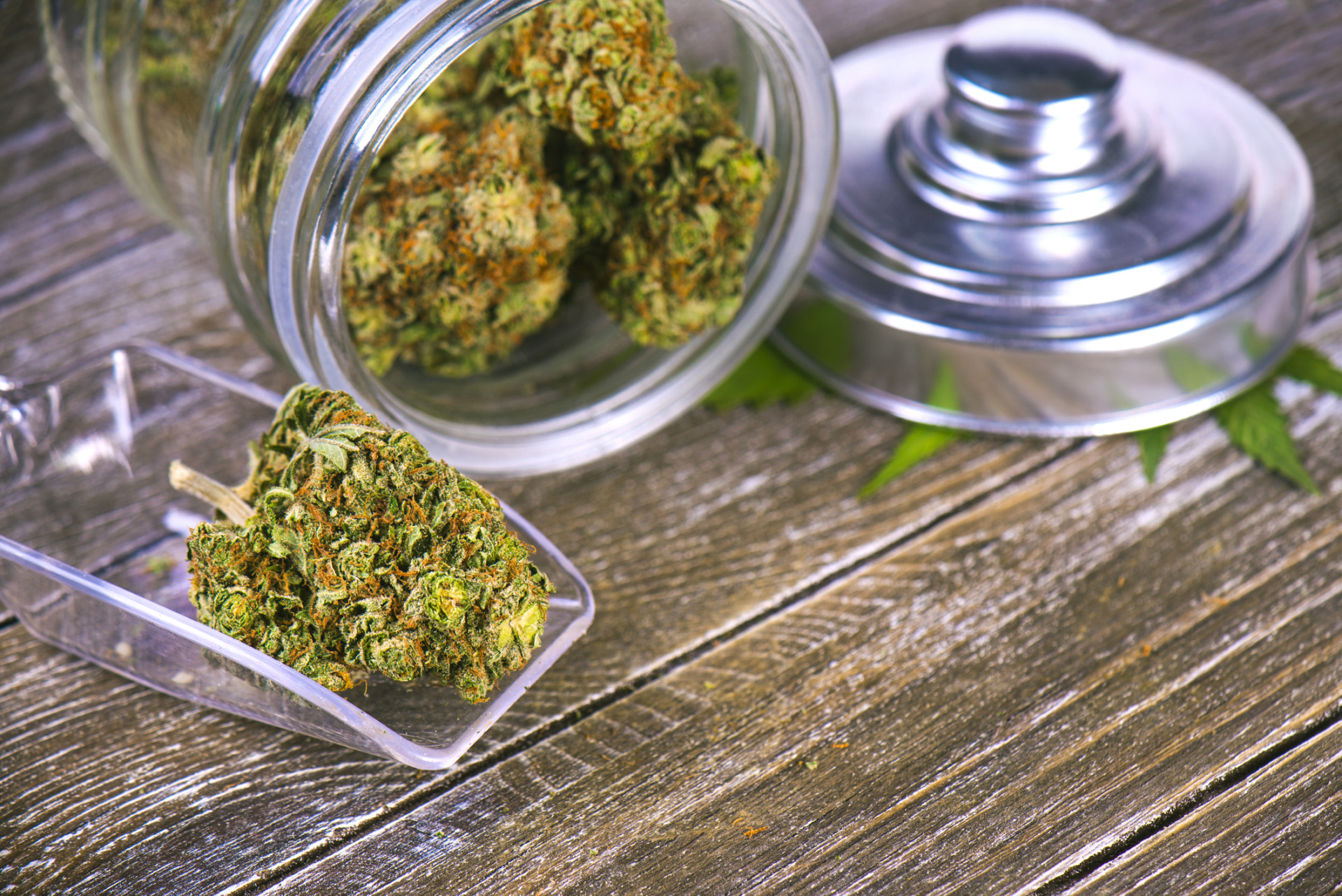
THCA flower is cannabis flower that is naturally rich in tetrahydrocannabinolic acid before it is heated. That is the easiest, cleanest explanation. It is not fake weed, not incense, and not some mystery powder dusted over hemp buds. It is real cannabis flower expressing THCA in the trichomes – the frosty resin glands that also hold terpenes, aroma, and most of the plant’s personality.
From a consumer point of view, this is why THCA flower can feel confusing at first glance. It looks like dispensary cannabis. It smells like dispensary cannabis. It breaks up, burns, and tastes like dispensary cannabis. The main difference is legal classification at the time the flower is tested, not whether the plant somehow turned into a different species on the ride to market.
That matters in Asheville, where shoppers tend to appreciate both craft quality and transparency. Folks here are usually not looking for a gas-station shortcut. They want flower that was actually grown well, cured slowly, and documented clearly. THCA flower sits right in that lane when it is sourced from reputable growers and backed by a real lab report.
It also helps explain why first-time buyers can be caught off guard. A jar labeled “hemp” sounds mellow and maybe a little sleepy. A jar of high-THCA flower may be anything but. This category tends to attract curious CBD shoppers, longtime cannabis consumers, and people who simply want dispensary-style flower without stepping into a state-legal marijuana program. Those are very different shoppers bringing very different assumptions to the same shelf.
That is why the best education starts with honesty: THCA flower is not a watered-down substitute. It is a legal and compliance story wrapped around a very familiar cannabis experience.
THCA vs. THC: The Simple Version
If you want the full chemistry lesson, you can dig into this deeper THCA breakdown. But for everyday shoppers, here’s the plain-English version: THCA is the raw form in the plant, while THC is what you get after heat changes that molecule. Same family, different state.
| Feature | THCA (Tetrahydrocannabinolic Acid) | THC (Delta-9 Tetrahydrocannabinol) |
| State in Plant | Raw, naturally occurring in living or freshly cured flower. | Created when THCA is heated and decarboxylated. |
| Psychoactive? | No, not in its raw form. | Yes, this is the compound associated with the classic high. |
| Why It Matters | Explains why raw flower can test as hemp. | Explains why smoking that same flower can feel like marijuana. |
A simple way to picture it: THCA is THC before the fire. The raw molecule carries an extra acidic group that keeps it from interacting with your body the same way Delta-9 THC does. Once heat strips that piece away, the experience changes fast.
Why THCA Flower Isn’t the Same as Delta-8
This part is worth slowing down for, because a lot of shoppers lump every hemp-derived cannabinoid into one messy category. THCA is different. It is a naturally occurring cannabinoid that grows on the plant. Delta-8 products, by contrast, are commonly made through post-harvest conversion processes. That does not automatically make every Delta-8 product bad, but it does make the supply chain, chemistry, and quality-control conversation very different.
With THCA flower, the best version of the product is simply excellent flower – no sprays, no booster oils, no lab-made workaround. That is also why clean cultivation matters so much. If a seller cannot explain how the flower was grown and finished, that is your cue to slow down. For a closer look at cultivation standards, Asheville Dispensary’s guide to why premium THCA flower is not sprayed is a helpful place to start.
Here’s the mountain-town common-sense version: one category starts with a plant doing what it naturally does; the other often starts with a processor trying to convert one compound into another. That distinction matters for safety, trust, and how shoppers think about the product in the first place.

Is THCA Flower Actually Legal?
Short answer: generally, yes – today, under the current federal hemp framework, THCA flower is sold as legal hemp when it stays under 0.3% Delta-9 THC by dry weight at the time of testing. Honest answer: it also lives in a legal gray area, and anyone pretending otherwise is oversimplifying the issue.
The 2018 Farm Bill and the Delta-9 Definition
The core reason THCA flower entered the market is simple. The 2018 Farm Bill defined hemp around Delta-9 THC, not around the total psychoactive potential of the flower once it is heated. That left room for flower to test low in Delta-9 at harvest while still carrying high THCA. As the University of Miami Law Review notes, THCA flower is “certainly legal” under that federal definition and is also naturally derived rather than synthetic.
That is why shoppers often describe THCA flower as “basically legal marijuana.” From a real-world experience standpoint, that phrase is not wildly off base. The same legal scholarship points out that it is almost identical to the marijuana sold in state-licensed dispensaries; the legal distinction turns on testing language, not on whether the flower suddenly looks or smells different.
Why the Gray Area Got Big, Fast
Once consumers realized what the category could deliver, the market moved quickly. A Reason Foundation analysis puts intoxicating hemp derivatives at roughly $28–36 billion in annual sales nationally, supporting nearly 330,000 workers. The same report shows how volatile the policy environment has become: in 2024 alone, states introduced more than 90 regulatory proposals, and 14 states adopted some form of restriction or prohibition.
So yes, THCA flower is being sold legally in many places right now. But it is not “settled law” in the relaxed, forever-safe sense some marketers imply. It is a fast-moving category sitting at the intersection of hemp law, cannabis policy, chemistry, and state enforcement.
Why Farmers and Retailers Followed the Category
The business side helps explain the speed of the shift. Hemp flower for cannabinoids became the economic center of gravity for the hemp world because consumer demand was there and margins were better than many traditional hemp use cases. Reason’s analysis notes that flower now drives the overwhelming majority of hemp income. Translation: this was never just a weird internet niche. It became a serious agricultural and retail category, which is exactly why state lawmakers started paying such close attention.
For consumers, that scale cuts both ways. More availability means more access and better selection. It also means a lot more uneven quality, opportunistic sellers, and legal noise. Big demand does not automatically equal good standards.

Is THCA Flower Basically Marijuana?
In everyday use, that is the question people really mean. And the honest answer is: from a sensory and experiential standpoint, it can be very close. The flower looks the same, the terpene profiles live in the same world, and once heat converts THCA into THC, the psychoactive effects can feel indistinguishable to many consumers.
The legal split, though, still matters. Marijuana is generally defined by exceeding the legal THC threshold under a state cannabis program, while THCA hemp is sold through the hemp channel based on how it tested at a specific point in time. So if you are asking whether it is “the same plant,” basically yes. If you are asking whether the law treats it exactly the same in every context, absolutely not. That difference is why one product may sit on a hemp shelf while another sits in a licensed marijuana dispensary.
That is also why the phrase “legal weed” is both useful and incomplete. It helps a new shopper understand the effect profile, but it skips the compliance piece that makes the category so unstable. The better way to say it is this: THCA flower can deliver a marijuana-like experience while still being sold through the hemp framework under current rules.
Why USDA Total THC Testing Still Matters
Here is the nuance a lot of quick-hit blog posts skip: even though the consumer-facing hemp definition focused on Delta-9 THC, federal production rules have long cared about total THC potential. That means THCA has never been invisible to regulators; it has just been treated differently depending on whether you are talking about statutory definition, crop testing, retail sales, or enforcement.
The Formula Behind Compliance
Under the USDA hemp production rule, total THC is calculated using this formula:
Total THC = Delta-9 THC + (0.877 × THCA)
That 0.877 figure adjusts for the molecular weight change that happens when THCA turns into THC. In plain English, regulators are asking: if this flower gets heated, how much THC could it realistically become? That is why a bud can look compliant in one conversation and fail a different compliance test in another.
Why Farmers Sweat the Numbers
It is also why growing compliant hemp flower is harder than people think. That same federal-regulation conversation is one reason timing, genetics, and harvest windows matter so much. Reason’s report estimates that about one in five hemp crops in the U.S. exceeds the THC limit in a given crop year. That is a brutal failure rate for farmers, and it helps explain why reputable operators obsess over testing, moisture, curing, and documentation.
For shoppers, the takeaway is simple: compliance is not just a sticker on a jar. It is a moving target that serious growers and retailers have to manage carefully from seed to sale.
Does THCA Flower Get You High?
Yes, once heat enters the picture. That is the most important thing to understand if you are new to the category. Raw THCA itself is non-intoxicating, but when you smoke, vape, or cook it, the chemistry changes. If you have ever wondered whether THCA gets you high, the practical answer is yes, because people usually consume it in ways that convert it into THC.
The Science of Decarboxylation
Decarboxylation sounds technical, but the concept is simple: heat flips the switch. Once THCA reaches the right temperature, it sheds part of its molecular structure and becomes Delta-9 THC.
The European Industrial Hemp Association (EIHA) published useful temperature data that makes this whole conversation much easier to understand:
- At about 100°C (212°F), full conversion can take roughly 3 hours.
- At around 200°C (392°F), conversion can happen in seconds.
- Even under strong lab conditions, only about 70% of THCA converts efficiently, with the rest degrading into other compounds.
That is why THCA flower can legally enter the conversation as hemp before use but behave much more like marijuana at the moment of use. Same flower. Different chemistry after heat.
Smoking vs. Edible Timing
Smoking and vaping feel fast because the decarboxylation happens almost instantly and the cannabinoids enter your bloodstream quickly through the lungs. Homemade edibles are a slower ride twice over: first you need time and heat to decarb the flower, then your body has to digest and metabolize it. That is why one method can hit in minutes, while the other may take an hour or more to fully show up.
A quick reality check for everyday life: because heated THCA becomes THC, it can absolutely contribute to a positive drug test. Legal status and employment policy are not the same thing.
How to Read a COA Without Getting Lost
If you only remember one practical skill from this article, make it this one: learn how to read a Certificate of Analysis. A real COA is where marketing stops and the paper trail begins. Here is a checklist-style way to review a verified COA without getting buried in lab jargon.
- Match the batch: The batch or lot number on the report should line up with the jar, bag, or product listing.
- Check the test date: Old reports are not useless, but fresher reports are better – especially in a fast-moving category.
- Read Delta-9 THC first: For current hemp compliance, this is the number most people start with.
- Read THCA next: This gives you the real potency story and helps explain what the flower may feel like after heating.
- Look for the full panel: Cannabinoids alone are not enough; you also want pesticides, heavy metals, microbial screening, and solvents where relevant.
- Watch for missing context: If the report is cropped, generic, undated, or impossible to verify, walk away.
Red Flags in Lab Reports and Safety Screening
This part deserves real attention, because the online hemp market has not always earned blind trust. A technical report presented to the Vermont Legislature using Oregon testing data found that many products marketed as hemp flower were nowhere near as clean or compliant as shoppers would expect.
- Sampled THCA hemp flower showed total THC levels ranging from 17.9% to 38.6%, with a 24.7% mean.
- Based on seller claims and Oregon standards, 78% of those hemp flower products were prohibited for sale.
- DEET showed up in 73% of hemp samples tested, which is the kind of sentence that should make any buyer pause.
That is why the red flags matter so much: no recent report, no contaminant panel, no batch match, no explanation of total THC, or lab results that look more like a screenshot than an actual certificate. When four out of five tested products in one regulatory review fail the smell test on paper, “trust me, bro” is not a serious retail standard.
A good COA should help you feel calmer, not more confused. If it raises more questions than it answers, that is the product telling on itself.
How Total THC Usually Shows Up on a Report
One more practical note: a COA may list Delta-9 THC, THCA, total cannabinoids, and sometimes “total THC” as a separate line item. That last number is the one many shoppers miss. If Delta-9 is low but THCA is high, the flower may still carry strong psychoactive potential once heated. In other words, do not read just the first cannabinoid on the page and stop there.
Good retailers know this and will walk you through it. Weak retailers hope you never notice. If a company markets a flower as both “super potent” and “totally harmless hemp” without explaining the difference between raw THCA and heated THC, that is not transparency. That is selective storytelling.
Can You Ship THCA Flower?
Here’s the practical answer: you can often ship THCA flower where current hemp rules allow it, but you should never assume that means every state welcomes it the same way. This category changes quickly, and shipping legality lives downstream from both federal interpretation and state-level enforcement.
That is why state-by-state uncertainty matters so much. Even while many consumers still buy THCA online, lawmakers and regulators keep tightening the map. Some states focus on total THC, some on intoxicating hemp generally, and some target smokable flower specifically. The result is a patchwork – more Blue Ridge quilt than clean legal grid.
Asheville Dispensary’s current compliance disclosure says it does not ship THCA to Arkansas, Idaho, Minnesota, Oregon, or Rhode Island. That is exactly how responsible operators should handle a messy landscape: stay current, restrict where necessary, and do not pretend every zip code lives under the same rules.
North Carolina and Tennessee, meanwhile, remain active regional hemp markets, even as policy keeps evolving. For readers in Tennessee who prefer a face-to-face conversation over online guesswork, Asheville Dispensary’s Chattanooga location gives shoppers a local place to ask questions, compare products, and look at documentation before buying.
Before You Order, Slow Down and Check These Three Things
First, check whether your state has shifted from a Delta-9-only view to a total-THC standard. Second, confirm the retailer’s shipping restrictions and return policies. Third, save the COA and the product page for your records. That may sound extra, but this category is changing too quickly for casual assumptions. A little paperwork now can save a lot of frustration later.
If you are traveling, the same logic applies. A product that is easy to buy in one state may become a headache when carried into another. This is one place where calm, boring compliance habits beat bold internet confidence every single time.
Why Asheville Dispensary Stands Out
In a category where paperwork matters as much as flower quality, Asheville Dispensary stands out by acting like a serious retailer, not a loophole chaser. The brand’s voice is rooted in what Asheville does well: craft standards, transparency, and a little less hype than the rest of the internet. That matters when you are buying something that sits right at the edge of law, science, and consumer trust.
Product quality is only part of the story. Good THCA flower should smell alive, look properly cured, and come with a clean paper trail. Great retailers make it easy to verify all three. We also make it easier for first-time buyers to choose sensibly instead of just chasing the highest percentage on the screen.
Asheville Dispensary’s guide to spotting quality THCA flower is useful here because it frames potency and price in realistic tiers. Entry-level flower often lands around 15–20% THCA, mid-range flower around 20–28%, and premium options around 28–35%+. On the pricing side, budget ounces tend to run roughly $40–80, mid-range options $80–150, and premium flower $150–250+ depending on cultivation, terpene quality, and presentation.
That is the kind of framing shoppers actually need. Higher numbers are not always better. Freshness, cure, terpene expression, cleanliness, and consistency all matter. A beautifully grown 22% flower can outperform a dry, overhyped 31% flower every day of the week.
A First-Time Buyer Filter That Actually Helps
If you are shopping THCA for the first time, do not start by sorting from highest potency to lowest price. Start by asking four calmer questions: Is the flower lab tested? Does the seller explain the COA clearly? Does the product look clean and properly cured? And does the company sound like it expects you to ask smart questions? If the answer to any of those is no, keep moving.
This is where a lot of younger shoppers and early-30s professionals are actually pretty sharp. They are not just buying a buzz; they are buying trust. They want something that fits a post-work hike, a porch session with friends, or a low-key Friday night without feeling like they bought mystery flower from a random warehouse. That mindset is a big reason craft-forward retailers keep winning against the race-to-the-bottom crowd.
In plain terms, quality THCA flower should feel intentional from click to finish. The product listing should make sense. The lab work should be easy to find. The flower should look alive, not stale. And the seller should be able to explain legality without acting like the law is permanently solved. That is a much better shopping framework than chasing hype words like “exotic” and hoping for the best.
What to Know Before November 2026
The current THCA moment is not built to last forever. Asheville Dispensary’s update on the federal hemp bill changes makes the direction of travel pretty clear: federal policy is moving toward total-THC-based enforcement that would squeeze or eliminate most of the THCA flower category as it exists today.
If you want the broader state-and-federal snapshot in one place, our 2026 THCA legality guide is worth bookmarking. The short version is that the law is getting tighter, not looser, and shoppers should expect fewer gray-area products and more scrutiny around what qualifies as hemp.
Before November 2026, the smart move is not panic-buying. It is smarter buying. Check your state rules. Save the COA for what you order. Buy from sellers willing to explain their testing. And understand that the market you are shopping today may not look the same next season.
For consumers, that could mean fewer compliant flower options, tighter shipping maps, and more pressure to move purchases into state-licensed marijuana systems where available. For brands and growers, it likely means reformulated product lines, tougher inventory decisions, and a lot less room for fuzzy marketing language. The broad vibe of the category is shifting from “Can we sell this?” to “Can we still defend this under a total-THC framework?”
That shift does not just affect hardcore cannabis enthusiasts. It affects curious first-time shoppers, weekend users, hemp farmers, neighborhood retailers, and anyone who has come to rely on online access to lab-tested flower. When a legal definition changes, the ripple is not abstract – it shows up on shelves, in shipping carts, and in what your favorite local retailer can even carry.
In other words: enjoy the access while it exists, but do not confuse temporary availability with permanent legal certainty.
What Smart Buyers Are Doing Right Now
Smart buyers are not just hunting for the loudest strain or the cheapest ounce. They are paying attention to COAs, watching their state rules, and buying from businesses that behave like they expect scrutiny. That mindset matters a lot more in 2026 than it did a couple years ago.
If you are new to THCA flower, start with a manageable potency tier, read the paperwork, and buy from a retailer who can actually explain the difference between Delta-9 THC and total THC without dodging the question. That is the kind of clear, low-drama shopping that keeps this whole category from feeling sketchier than it needs to.
A Blue Ridge Bottom Line
THCA flower offers a remarkable, natural botanical experience that fits neatly into the slower, more intentional way a lot of people around here like to shop. But the sweetest version of that story only works when the product is real, the paperwork is clean, and the seller is being straight with you.
That is the whole Asheville takeaway. Enjoy the craft side. Care about the terpenes. Appreciate the ritual. But keep one foot on the ground. Read the COA. Respect the legal gray area. And buy from businesses that treat compliance as part of quality, not as a buzzkill stapled onto the bottom of the page.
If you do that, THCA flower makes a lot more sense. Not because the laws are simple, they are not, but because you know how to separate good flower and good documentation from wishful marketing.Shop carefully, always review the COAs, and trust your wellness to the experts. Visit Asheville Dispensary online or in-store to find your perfect strain today!


