
Quality Tier
Category
Effects
Cannabinoid
Strain
Potency
Brand



What Is Kanna?
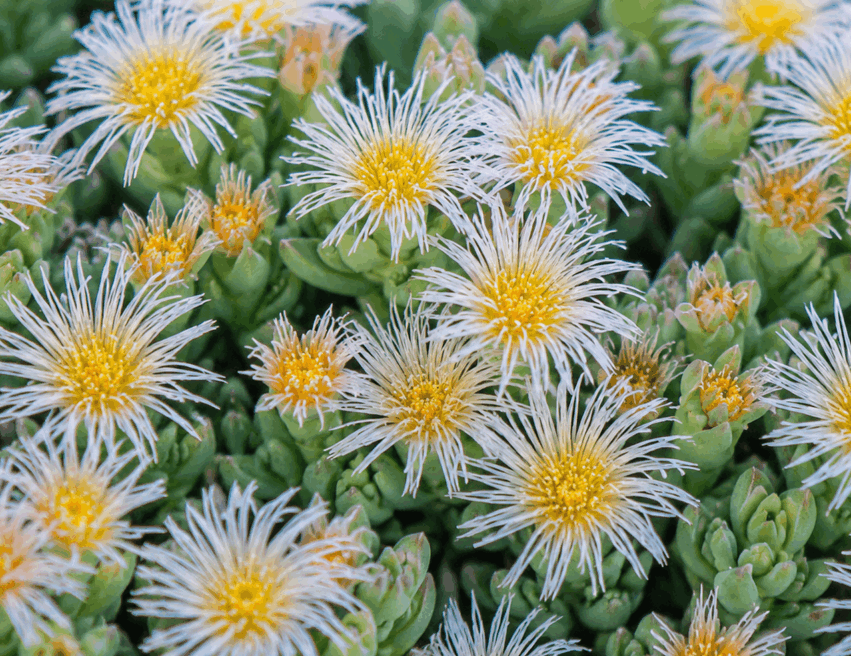
Kanna is a succulent plant native to South Africa, known botanically as Sceletium tortuosum. It has been used traditionally by the Khoikhoi and San peoples of the region for centuries, historically prepared by fermenting and chewing the plant material. The name “kanna” comes from that traditional context, and the plant is also referred to as sceletium, kougoed, or channa.
The plant contains a group of naturally occurring alkaloids, the most studied of which is mesembrine. Others include mesembrenone, mesembrenol, and tortuosamine. The relative concentration of these alkaloids varies depending on the plant material, the growing conditions, and the processing method used, which is why standardized extracts and raw plant material can behave quite differently.
Modern kanna products are made by extracting these alkaloids from the plant and concentrating them into a consistent, measurable form. Full spectrum extracts aim to preserve the plant’s complete alkaloid profile, while standardized extracts are processed to deliver a specific alkaloid percentage in every batch. Some products list a total extract weight in milligrams, others list an alkaloid percentage, and some list both.
Kanna is not cannabis and contains no cannabinoids. It is not related to hemp, and it is not a controlled substance under federal law. It is sold in the United States as a botanical and dietary supplement ingredient.
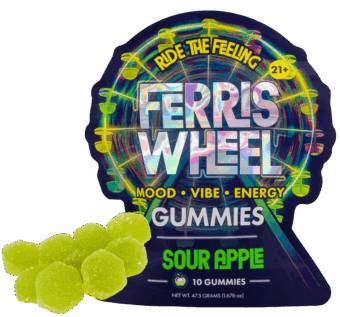
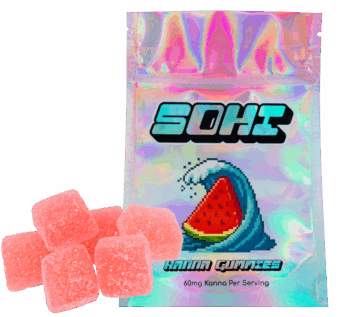
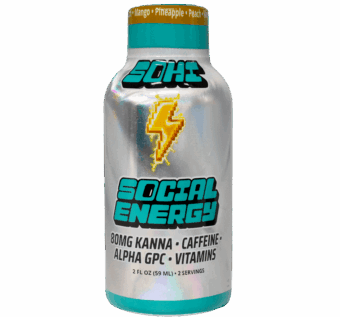
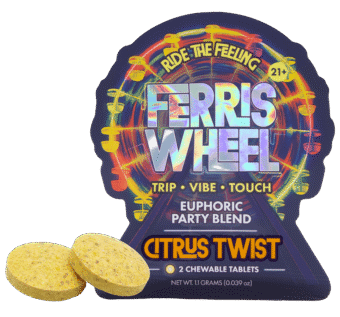
At Asheville Dispensary, we carry kanna from trusted brands such as SOHI, Ferris Wheel, and AVL Edibles across different formats. Every product is third-party lab tested, and Certificates of Analysis are available so you can verify what is in the product before you buy.
How Kanna Works
Kanna’s primary alkaloid, mesembrine, has been studied as a serotonin reuptake inhibitor. In simple terms, it appears to affect how the body processes serotonin, a neurotransmitter involved in mood regulation. Other alkaloids in the plant, including mesembrenone, have been studied for activity on different pathways.
It is worth being direct about the state of the evidence. Kanna has a long history of traditional use and a growing body of preliminary research, including some small human trials. It does not have the depth of clinical evidence that would support specific medical claims, and the research that exists is early. Anyone considering kanna for a health reason should talk to a healthcare provider rather than relying on product marketing.
What we can say factually is that kanna is distinct in mechanism from the other botanicals we carry. Kava works primarily through GABA pathways and is generally described as calming and physically relaxing. Kanna works through a different route and is more often described as mood-lifting and socially engaging. This is why the two are frequently discussed together but suit different occasions.
Will Kanna Get You High?
Kanna is psychoactive in the sense that it affects mood and perception, but the experience it produces is not comparable to cannabis, alcohol, or any classical intoxicant.
Users typically describe kanna as mood-lifting, socially loosening, and mildly euphoric at higher servings. It does not produce the sensory distortion, time dilation, or cognitive impairment associated with THC, like our Delta 9 THC edibles. Most people report remaining clear-headed and functional. At lower servings, many people describe the effect as subtle enough that it is easy to miss the first time.
Effects and intensity vary considerably between individuals, between extract types, and between delivery formats. What one person finds noticeable, another may find negligible. Starting low and going slow is the standard advice for a reason.
Is Kanna Safe?
Kanna is generally considered safe and well tolerated by healthy adults at typical serving sizes, though research is still developing. Reported kanna side effects are usually mild and include headache, nausea, or trouble sleeping if taken late in the day, and they become more likely at higher servings. Kanna gummies generally take 60 to 90 minutes to work, so give the first serving time before considering another.
Knowing what not to mix kanna with matters most. Because its alkaloids influence serotonin pathways, kanna should not be combined with SSRIs, SNRIs, MAO inhibitors, or other serotonergic medications without medical guidance, and it is not suitable with alcohol, during pregnancy, or for anyone under 21. Kanna is not known to be addictive, though long-term research is limited.
Product quality is the part you can control as a buyer. Every kanna product we carry is third-party lab tested for alkaloid content, heavy metals, pesticides, and microbials, with a Certificate of Analysis published for every batch. Wherever you buy kanna online, ask to see the lab report first.
Is Kanna Addictive?
Kanna is not known to be addictive or to produce physical dependence, and centuries of traditional use do not suggest addictive potential. Long-term controlled research is limited, so anyone with substance use concerns should speak with a healthcare provider before starting. Note that many kanna products contain caffeine, which carries its own dependence considerations separate from the kanna itself.
What Is Kanna Used For?
Kanna is used as a botanical supplement for mood support and social settings, and has become popular as an alternative to alcohol at gatherings and events.
Traditionally, the Khoikhoi and San peoples of southern Africa used kanna in social rituals and during physically or emotionally demanding situations. Kanna is not intended to diagnose, treat, cure, or prevent any condition, and anyone considering it for a health reason should talk to a healthcare provider.
How to Take Kanna
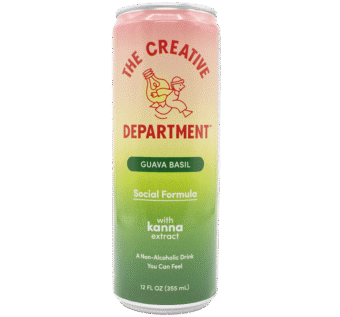
Start with the lowest suggested serving on the product label and wait to see how you respond before taking more. Kanna gummies and capsules are the easiest starting point because the serving is measured for you, while drinks act faster and extracts or powders require you to measure yourself. Read the full ingredient panel first, since many kanna products contain caffeine or other actives that change the experience considerably.
What Does Kanna Feel Like?
People commonly describe kanna as mood-lifting and socially loosening, with a warm or mildly euphoric quality at higher servings.
Many report calm energy, mental clarity, and greater appreciation of music and conversation, without the sensory distortion or cognitive impairment associated with THC. Effects vary considerably between individuals, extract types, and formats, and at lower servings the effect can be subtle enough to miss the first time.
How Long Does Kanna Last?
Duration depends on the format. Kanna vapes act within minutes and fade fastest, drinks and shots sit in the middle, and gummies and capsules take 60 to 90 minutes to arrive and last the longest. Individual metabolism, serving size, and whether you have eaten all affect both onset and duration.
Is Kanna Legal?
Kanna is not a controlled substance under United States federal law and is not scheduled by the DEA. It is sold as a botanical and dietary supplement ingredient, and it is regulated separately from hemp because it contains no cannabinoids. State and local rules governing botanical supplements can vary and change, so check your local regulations before ordering.
Why Buy Kanna From Asheville Dispensary
Most places selling kanna online are single-brand websites selling their own product, which makes it difficult to compare options honestly. We carry kanna from multiple brands across every major format, so you can see how products actually differ.
We publish alkaloid content, extract type, other active ingredients, onset window, servings per package, and price per serving for every kanna product we stock. Where a brand does not disclose something, we say so rather than leaving a gap. Every product is third-party lab tested before it goes on our shelves, and we track COA validity and pull products whose testing has lapsed.
Where to Buy Kanna
You can buy kanna online with nationwide shipping, or shop in person at our West Asheville, Downtown Asheville (South Slope), and Chattanooga locations. In-store pickup is available on online orders at all three stores.
If you are searching for kanna near you and you are in the Asheville or Chattanooga area, stop in. Our staff work with these products daily and can walk you through the differences between formats and brands in person, which is usually faster than reading five product pages.

Free Nation-wide Shipping over $99

Satisfaction Guaranteed

Organic Products

DEA Certified Lab Testing

Secure Payment
