

Sour Diesel THCA flower is the loud, citrus-gas classic people reach for when they want their head up, not shut down. If you are browsing Asheville Dispensary’s THCA flower collection, this is the strain that usually lands in the daytime lane: energetic, sharp around the edges, and unmistakably old-school in the best way. Think less weighted blanket, more West Asheville coffee run, studio session, or sunny Blue Ridge overlook.
This review skips the generic hype and answers the questions people actually ask before they buy: what Sour Diesel THCA flower is, how it smells and tastes, how strong it really feels, why the terpene profile matters, and how to tell a clean batch from a messy one. If you love strains with personality, this one has plenty.
Sour Diesel has been around long enough to earn mythology, but the useful part is not the mythology. It is the chemistry. Once you understand the way THCA, limonene, caryophyllene, and myrcene work together, the whole strain starts to make sense.
Quick Glance: Sour Diesel at a Snapshot
| Category | Strain Details |
| Style | Legacy daytime-leaning Sour Diesel profile |
| Primary Terpenes | Limonene, Beta-Caryophyllene, Myrcene |
| Aroma & Flavor | Pungent diesel fuel, bright lemon citrus, earthy musk |
| Common Effects | Cerebral uplift, creative energy, physical presence |
| Best For | Daytime focus, social events, creative projects |
What Is Sour Diesel THCA Flower?
To understand what you are actually buying, you have to look at the chemistry of the raw plant. In fresh cannabis, the famous intoxicating compound THC does not actually exist in high amounts yet. Instead, the plant naturally produces a non-intoxicating precursor. Commercial cannabis research evaluating over 6,000 chemical constituents found that THCA was the most abundant measured compound across tested cultivars, naturally ranging from 133 mg/g to 162 mg/g.
So, Sour Diesel THCA flower is simply the raw, unheated bud of the Sour Diesel strain. In its natural state, it is not psychoactive. Research demonstrates that THCA has far weaker receptor affinity than THC, binding with about 62-fold less affinity at the brain’s CB1 receptors and 125-fold less at CB2 receptors. This explains exactly why eating a raw bud will not produce a traditional high.
However, when you apply heat, a process called decarboxylation, that acidic molecule drops a carboxyl group and becomes active THC. This is the core science behind how THCA converts to the effects you expect.
The Real Vibe of Sour Diesel
Most menus still label Sour Diesel as a classic sativa-dominant strain, and for practical shopping purposes that shorthand still helps. It tells you this is usually not the pick for an early bedtime. But the more accurate read is chemical, not botanical. The batch in front of you matters more than the old indica-versus-sativa story. Terpenes, cannabinoid ratios, freshness, and curing all shape the experience more than the label on the jar.
That said, the reputation did not appear out of nowhere. Sour Diesel built its following because it tends to offer a very specific kind of lift: alert, talkative, mentally bright, and just a little scrappy. It is the strain people remember after a festival afternoon, a long sketchbook session, or a day when they wanted to feel more switched on than sunk in.
In Asheville terms, Sour Diesel is less rainy-night cabin energy and more clear-day movement. It fits a market morning, a creative reset, or a walk where you want the scenery to look a little louder. If your personal sweet spot is calm-but-functional, this strain often lives right on that line.
The flip side is that Sour Diesel is not subtle. For some people, that is exactly the point. For others, especially if they are sensitive to THC, the same mental acceleration that feels inspiring at one inhale can feel a little too bright at three. That tension is part of the real review, and it matters just as much as the legend.
What Does Sour Diesel Look, Smell, and Taste Like?
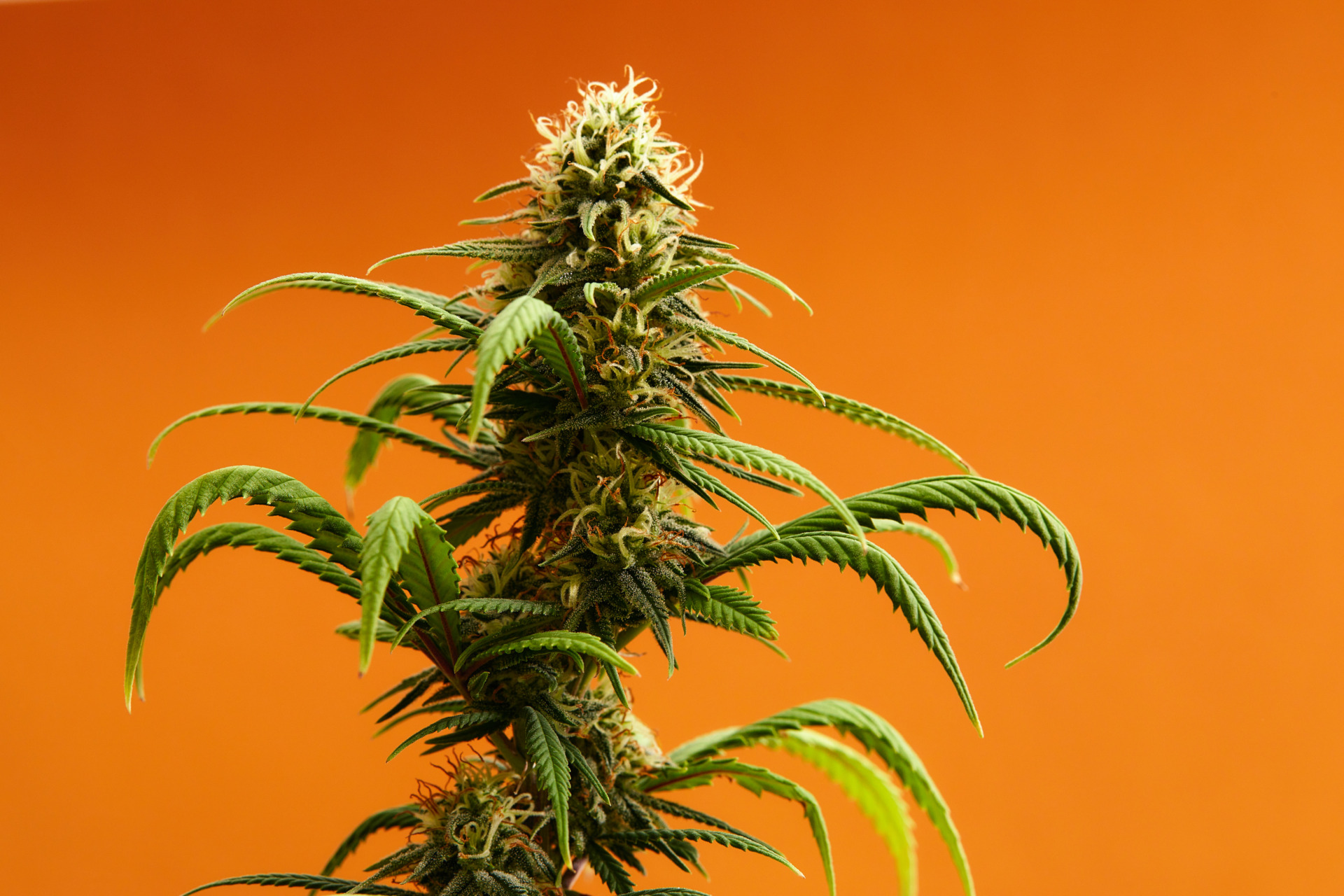
If you have a quality batch of Sour Diesel, you will know it the second you open the jar. It does not hide. The buds are typically a bright, vibrant green with orange pistils and a dense, sticky coating of trichomes. But the real signature is the aroma.
It smells exactly like its name implies: a sharp, pungent blast of gasoline mixed with sour citrus and an earthy, skunky backbone. This is not just a poetic description; it is verifiable chemistry. In an academic study identifying cannabis chemotypes, researchers quantified the specific terpenes in Sour Diesel. They classified it firmly in the rare “bisabolol group,” recording average concentrations of:
- Limonene (4.4 ± 1.1 mg/g): The bright, sour citrus note responsible for the initial sharp inhale and uplifting mood.
- Beta-Caryophyllene (4.0 ± 1.3 mg/g): A peppery, spicy compound that gives the smoke its bite and provides a grounding physical effect.
- Myrcene (2.8 ± 1.1 mg/g): The earthy, musky base that ties the profile together.
- Alpha-Bisabolol (0.9 ± 0.3 mg/g): A delicate floral terpene that rounds out the harshness of the diesel fuel notes.
When you smoke or vape it, that sour lemon and harsh gas translate directly to the palate, leaving a lingering, earthy tang on the exhale.
How Strong Is Sour Diesel THCA Flower?
Sour Diesel has a reputation for being strong, and modern potency trends help explain why. A congressional review of seized U.S. cannabis found that the mean THC concentration rose from 9.75% in 2009 to 14.88% in 2018, while THC:CBD ratios climbed hard during the same stretch. In plain English: today’s market is much more THC-forward than it used to be, and classic high-energy strains hit with more force than many older consumers remember.
In the real world, many Sour Diesel batches sold in THCA form land in the low-to-mid 20s for total potential THC. That puts it firmly in the “respect it” category, not the “casual all-day mindless puffing” category. Sour Diesel usually arrives fast, climbs quickly, and stays mentally present rather than melting into the background.
If you are new to high-THCA flower or coming back after a long break, start with one small inhale and give it at least 10 to 15 minutes before deciding you need more. This strain is famous for making people feel productive, social, and creatively locked in, but it can also punish overconfidence.
For many people, the onset shows up first behind the eyes and in the chest: a quick shift in mood, a stronger pull toward conversation, music, movement, or ideas. The peak often rides for one to two hours, with a softer landing after that. If you want a deeper primer on why raw flower changes so much once it is heated, this THCA breakdown is a helpful refresher.
Effects: Energy, Focus, Mood, and the Edge
The reason Sour Diesel has maintained its legendary status is the unique quality of its high. Users consistently report an immediate rush of cerebral energy. Thoughts move a bit faster, colors seem a bit brighter, and conversations flow more easily.
This is where the “entourage effect” comes into play. It is not just the THC doing the heavy lifting. Laboratory studies show that terpenes can activate CB1 receptors at about 10–50% of the strength of THC alone. Furthermore, certain combinations of terpenes and THC were found to significantly increase CB1 receptor activity beyond what THC could achieve by itself. Sour Diesel’s high levels of limonene and caryophyllene actively synergize with the cannabinoids to shape its signature, energetic lift.
The Edge (Side Effects):
Because Sour Diesel is so cerebral and fast-acting, it can have an edge. In higher doses, that rush of mental energy can occasionally tilt into racing thoughts or mild anxiety, especially for those sensitive to THC. Dry mouth and dry eyes are also nearly guaranteed. Pacing your consumption is the best way to enjoy the creative spark without the nervous edge.
How to Smoke, Vape, or Use It
Because THCA must be heated to become active, how you consume it matters.
- Vaping (Dry Herb): This is the absolute best way to experience the complex diesel-and-citrus flavor profile. According to regulatory guidance, decarboxylation occurs when heated to a critical temperature between 200–290°F. Setting a dry herb vaporizer to around 350°F to 380°F ensures full conversion while preserving the delicate terpenes before they burn off.
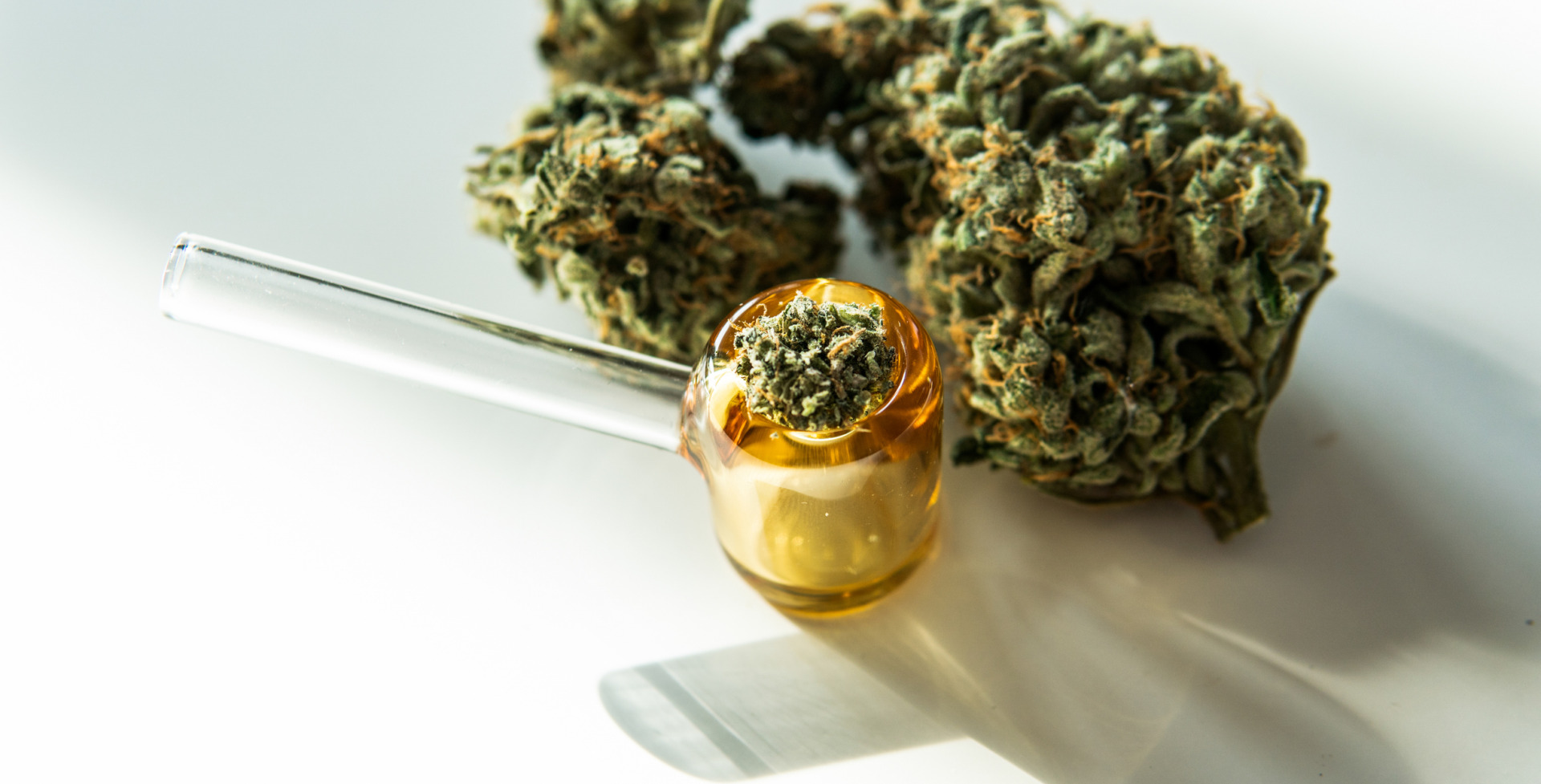
- Smoking: The traditional joint or glass pipe provides immediate effects. While you lose a little of the nuanced flavor compared to vaping, the sheer heat of the ember instantly converts the THCA into active THC for a fast, robust onset.
- Cooking (Edibles): If you want to make your own mountain-town infused butter, you cannot just throw raw flower into a recipe. You must bake the ground flower on a sheet pan at roughly 240°F for 30–40 minutes to activate it before infusing it into fats.
How to Shop for a Clean Batch in a Messy Market
The current hemp market is incredible for accessibility, but it is also highly unregulated in many areas. Just because a jar says “Sour Diesel” does not mean it contains authentic genetics or clean flower.
A recent investigation highlighted major compliance issues in the retail space, finding that 78% of hemp flower samples tested were prohibited for sale based on the sellers’ own label claims, and 100% of the flower samples tested exceeded the 0.3% total THC limits of that specific state’s guidelines.
To avoid mislabeled, artificially enhanced, or chemically sprayed hemp flower, you have to shop defensively. Here is what to look for:
- Verify the COA: Never buy THCA flower without a third-party Certificate of Analysis. You need to see the exact THCA percentages and verify that heavy metals and pesticides are non-detectable.
- Check the Terpenes: If the lab report shows no limonene or caryophyllene, you are not getting the true Sour Diesel experience, regardless of what the sticker says.
- Inspect the Bud: Look for dense structure, visible trichome frost, and a pungent aroma. If it smells like hay or generic sweetness, pass on it. (If you want something legitimately sweet and fruity, you are better off seeking out a strain intentionally bred for those notes, like the Apples and Bananas strain).
Finding Your Flow with Sour Diesel
Sour Diesel is right for you if you want a strain with motion in it. Not fake hype, not candy-coated branding, but real forward pull. It tends to work best for people who like a cerebral lift, a noticeable mood change, and a flavor profile that actually tastes like something. If your ideal session involves ideas, music, sunlight, or good conversation, Sour Diesel still earns its place.
It may not be your match if you prefer softer body-heavy flower, if you are highly THC-sensitive, or if you want a sleepy nighttime strain that lands like a weighted blanket. Sour Diesel has more spark than hush. That is why some people adore it and why others save it for very specific moments.
When you source a clean, lab-tested, properly cured batch of Sour Diesel THCA flower, you are tapping into one of the most recognizable profiles in cannabis culture without giving up modern transparency. Know what the terpenes are doing, respect the potency, read the paperwork, and let the flower tell you if it is the real thing. If you want more grounded strain guides and cannabis education with a local point of view, spend some time in Asheville Dispensary’s learning center.


