

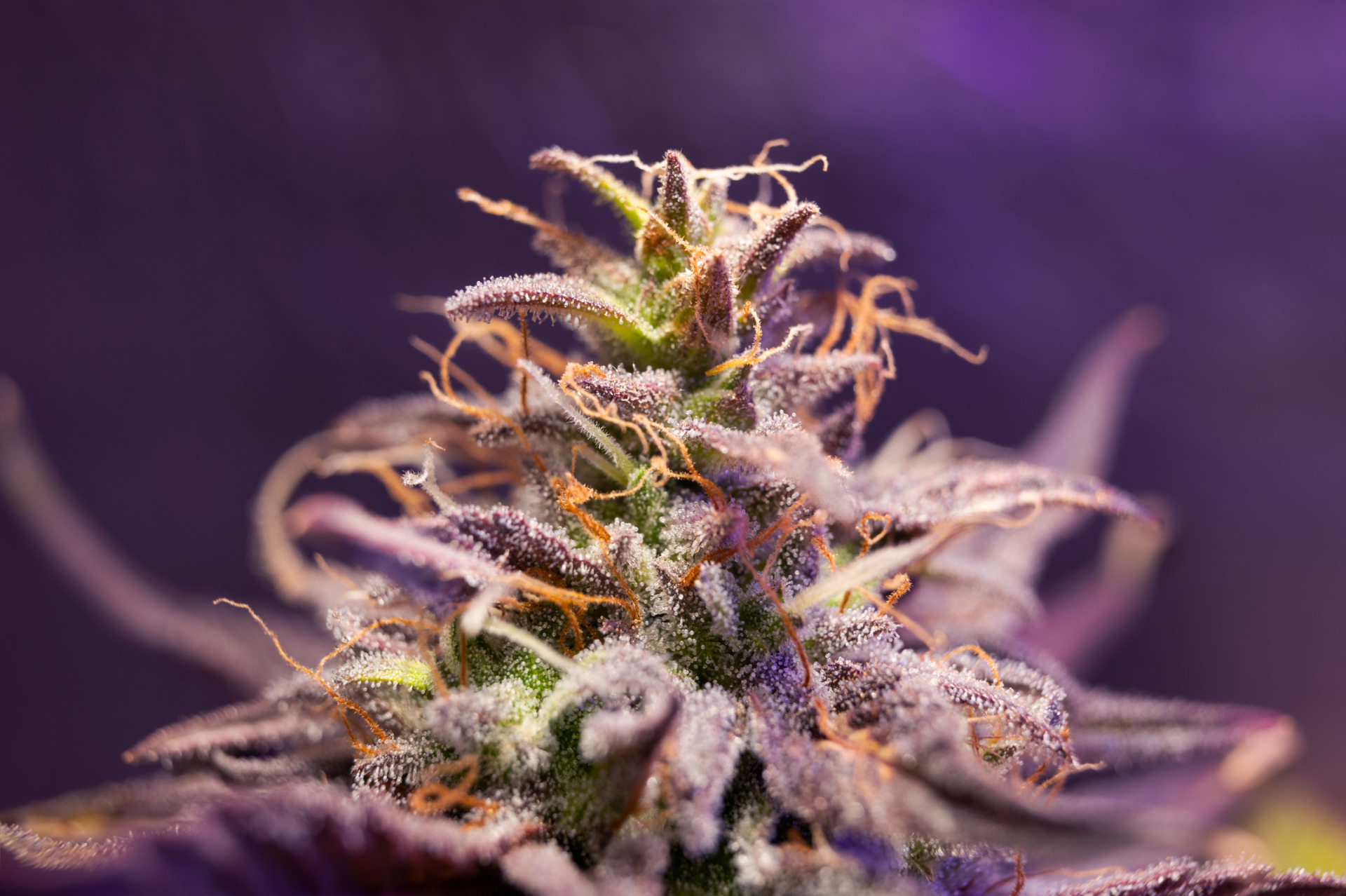
Lemon Cherry Gelato THCA flower is for the person who wants their smoke to feel equal parts bright, flavorful, and easy in the body. Think golden-hour energy, not chaotic overstimulation: citrus on the nose, a happy head shift up front, and a mellow exhale that feels right at home after a trail day, a studio session, or a slow evening in the mountains.
If you have been browsing our THCA flower collection, this is one of the strains worth stopping on. Lemon Cherry Gelato has the kind of Asheville appeal people instantly understand: polished but not flashy, terpene-rich without trying too hard, and strong enough to respect. The flower looks good in the jar, sure, but the real story is in the chemistry, the cure, and the lab work behind it.
Below, we break down what kind of hybrid it is, how THCA differs from THC, how potent this flower really is once heated, and how to read the COA like someone who knows exactly what they are buying.
Lemon Cherry Gelato is not your average, middle-of-the-road flower. It is a potent, terpene-rich cultivar that appeals to experienced users looking for depth of flavor and dynamic effects. If you appreciate the complex, dessert-like aromas of modern West Coast genetics and want a reliable, lab-tested product that delivers a smooth, euphoric lift followed by grounded physical relaxation, this is for you.
However, because of its high potency, beginners or those highly sensitive to THC should approach with a bit of reverence. A little goes a long way with this one.
What Kind of Hybrid Is It?
To understand the personality of a strain, you have to look at its roots. According to our current Lemon Cherry Gelato product page, this cultivar is a beautifully balanced hybrid born from the legendary cross of Girl Scout Cookies (GSC) and Sunset Sherbet. It boasts a staggering THCA percentage of 29%, placing it firmly in the upper echelons of premium indoor-grown cannabis.
Genetically, it leans into the best traits of its parents. From GSC, it inherits a dense bud structure and a doughy, euphoric punch. From Sunset Sherbet, it pulls a complex, fruity sweetness and a deeply soothing physical resonance. For those interested in how these genetics play out in the broader spectrum of cannabis, our guide to strain classifications offers great context on how balanced hybrids provide the best of both worlds: uplifting the mind while unknotting the body.

THCA vs. THC: The Science of Raw Cannabis
Before we talk about the effects of smoking or vaping this flower, we need to address the chemistry of the raw plant. THCA (tetrahydrocannabinolic acid) is the naturally occurring, acidic precursor to THC. In its raw, unheated form, THCA does not get you high.
Why? Because THCA has a different molecular shape than active THC. Scientific literature indicates that raw THCA demonstrates little affinity or efficacy at CB1 and CB2 receptors in the human endocannabinoid system. Since the CB1 receptor is primarily responsible for the classic intoxicating effects of cannabis, consuming raw THCA flower (like in a smoothie) will not yield psychoactive results.
However, when you apply heat, through smoking, vaping, or baking, a process called decarboxylation occurs. The heat breaks off a carboxyl ring, converting the non-intoxicating THCA into active, intoxicating Delta-9 THC. This is the fundamental science of how THCA flower is made and utilized.
Interestingly, the raw acid form is garnering attention from the medical research community for reasons entirely separate from intoxication. Preclinical research suggests that THCA shows potent neuroprotective activity and actually binds to and activates PPARγ receptors with higher potency than its decarboxylated counterparts. While human trials are still needed, this points to a fascinating therapeutic potential for the raw plant.
Potency: How to Read the Numbers
When you look at a label boasting 29% THCA, it is important to know how that translates to the experience. Because the decarboxylation process is not perfectly 1-to-1 (you lose some molecular weight when the carboxyl group burns off), the industry uses a standard calculation to determine total active THC potential.
The USDA total THC formula defines this conversion mathematically as: Total THC = (0.877 x THCA) + THC.
Applying this formula to a 29% THCA flower means you are looking at roughly 25.4% total active THC once heated. This is an incredibly robust number.
To put that potency into perspective, we can look at regulatory frameworks in established adult-use markets. For instance, policy data tracking shows that Washington State requires a high potency warning threshold for cannabis items containing more than 40% total THC. While our Lemon Cherry Gelato sits safely below that extreme concentrates category, 25.4% active THC is still highly potent for flower. If you are new to navigating these numbers, we highly recommend reviewing our THCA dosage guide to ensure a comfortable and positive experience.
Flavor Profile and Terpene Science
The aroma of Lemon Cherry Gelato is what wins most people over the moment they open the jar. It is a sensory rush: bright, zesty citrus up front, followed by a warm, tart cherry sweetness, and anchored by a classic, gassy earthiness.
This aromatic profile is driven by the plant’s essential oils, known as terpenes. The primary terpenes in this specific cultivar are limonene and caryophyllene.
- Limonene: This terpene gives the strain its sharp, citrusy nose. In regulatory consumer guides, such as the New Jersey COA guide, limonene is explicitly described as an uplifting, citrus-scented compound that can influence the overall mood of the experience.
Caryophyllene: Responsible for the spicy, peppery, and earthy undertones, caryophyllene is unique because it can also interact directly with the body’s endocannabinoid receptors. Preclinical studies suggest that caryophyllene is associated with anti-inflammatory potential, which may contribute to the soothing body effects reported by some users.

What It Feels Like: The Experience
Because it is a balanced hybrid, the effects of Lemon Cherry Gelato typically unfold in two distinct phases.
The initial onset is usually described as highly cerebral and euphoric. The limonene-driven citrus notes seem to mirror a bright, uplifting mental state. Users often report a surge of creativity, giggly sociability, and an immediate release of mental tension. It is the kind of headspace that pairs beautifully with a weekend art project or a sunset conversation with friends.
As time passes, the GSC genetics and the caryophyllene begin to shine through. The cerebral buzz gently cascades down into the body, melting away physical tightness without necessarily inducing heavy sedation or “couch-lock.” It leaves you relaxed but functional- a true hallmark of a masterfully bred hybrid.
How to Read a COA Before You Buy
At Asheville Dispensary, we believe transparency is non-negotiable. The only way to truly verify the quality, safety, and legality of a hemp product is through a third-party lab report, known as a Certificate of Analysis (COA). You can always view our latest testing on our dedicated COA page.
A proper COA should show much more than just the cannabinoid percentages. A rigorous lab report must verify safety and look for contaminants, as well as test the moisture and water activity for flower products to ensure it was properly cured.
Safety testing is not just a formality. Live tracking of Maine testing data from their regulated adult-use market shows that even in highly controlled environments, products still occasionally fail for total yeast and mold, as well as harmful microbes. This is exactly why you should never purchase untested flower.
COA Red Flags: A Quick Checklist
- Missing Contaminant Panels: If the lab report only shows potency but skips heavy metals, pesticides, and microbials, the product is not verified safe.
- Outdated Testing: COAs should be reasonably recent and match the specific batch you are purchasing.
- No Moisture/Water Activity: For raw flower, improper moisture levels can lead to mold over time.
- Unaccredited Labs: The testing facility should be ISO-accredited and clearly named on the document.
Lemon Cherry Gelato at a Glance
If you just want the quick-read version before you dive deeper, here is the clean snapshot.
| Category | What to know |
| Genetics | Girl Scout Cookies x Sunset Sherbet |
| Type | Balanced hybrid with an upbeat start and a relaxed finish |
| Current AVL listing | 29% THCA with caryophyllene and limonene as featured terpenes |
| Flavor | Lemon zest, tart cherry, creamy sweetness, and a little gas |
| Best fit | Experienced shoppers who want flavor, mood lift, and body ease in one jar |
| Watch-out | Potent enough that beginners should start very low and move slow |
The Legality Landscape
The legal landscape of hemp-derived cannabinoids can feel confusing, but the foundation rests on federal agricultural law. The 2018 Farm Bill formally removed hemp from the Controlled Substances Act, defining legal hemp as the Cannabis sativa L. plant with a Delta-9 THC concentration of not more than 0.3% on a dry weight basis.
Because THCA is an acidic precursor and not Delta-9 THC, flower that tests below the 0.3% Delta-9 threshold prior to decarboxylation is federally recognized as legal hemp. However, state rules can vary significantly, and the regulatory environment is constantly shifting. For our local community, we keep a close eye on the regulations, which you can read about in our deep dive on THCA flower in North Carolina. Always stay informed about the specific laws in your state or municipality.
The Final Verdict
Lemon Cherry Gelato THCA flower is a masterclass in modern cannabis genetics. It takes the beloved, doughy comfort of Girl Scout Cookies and elevates it with the bright, fruity complexity of Sunset Sherbet. With lab-verified safety, a potent 29% THCA profile, and a terpene blend that actively supports both mental uplift and physical ease, it is an easy recommendation for the discerning botanical enthusiast.
Whether you are unwinding after a long week in the mountains or sparking up a creative weekend project, this strain offers a clean, craft-quality experience that respects both the science of the plant and the art of the cure.
Please note: The information provided in this article is strictly educational and does not constitute medical or legal advice. Preclinical research is cited for informational purposes, and no statements made here are treatment claims. Always consume responsibly and consult a healthcare professional regarding your wellness routine.


