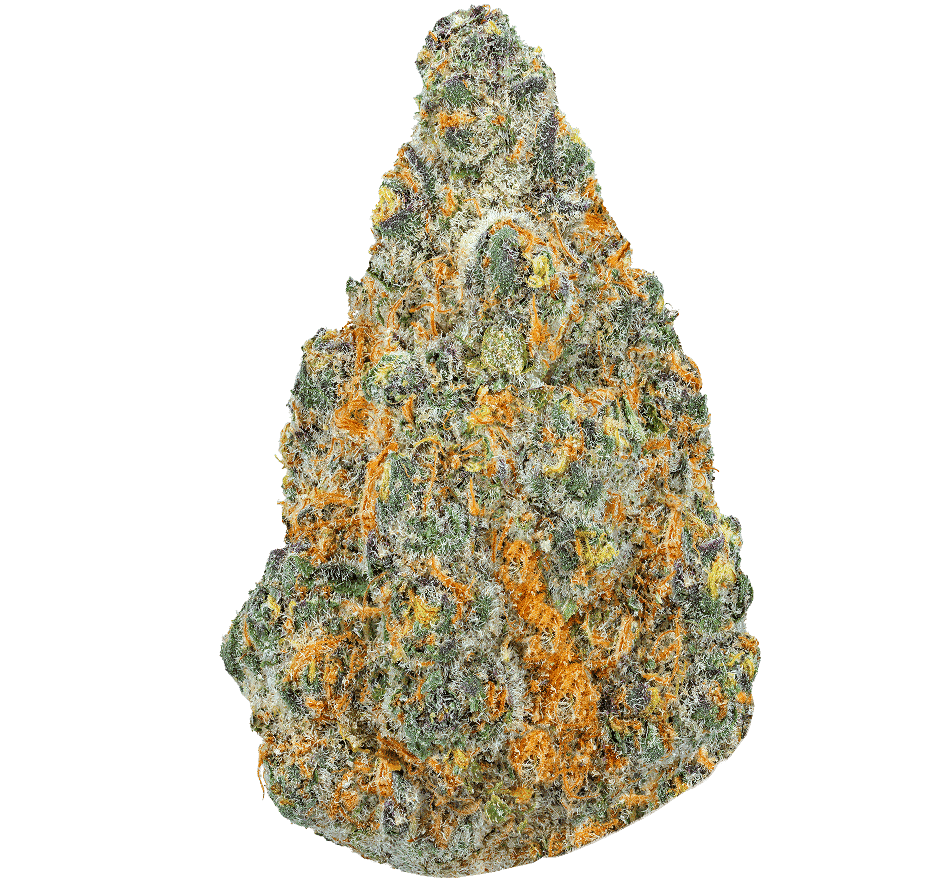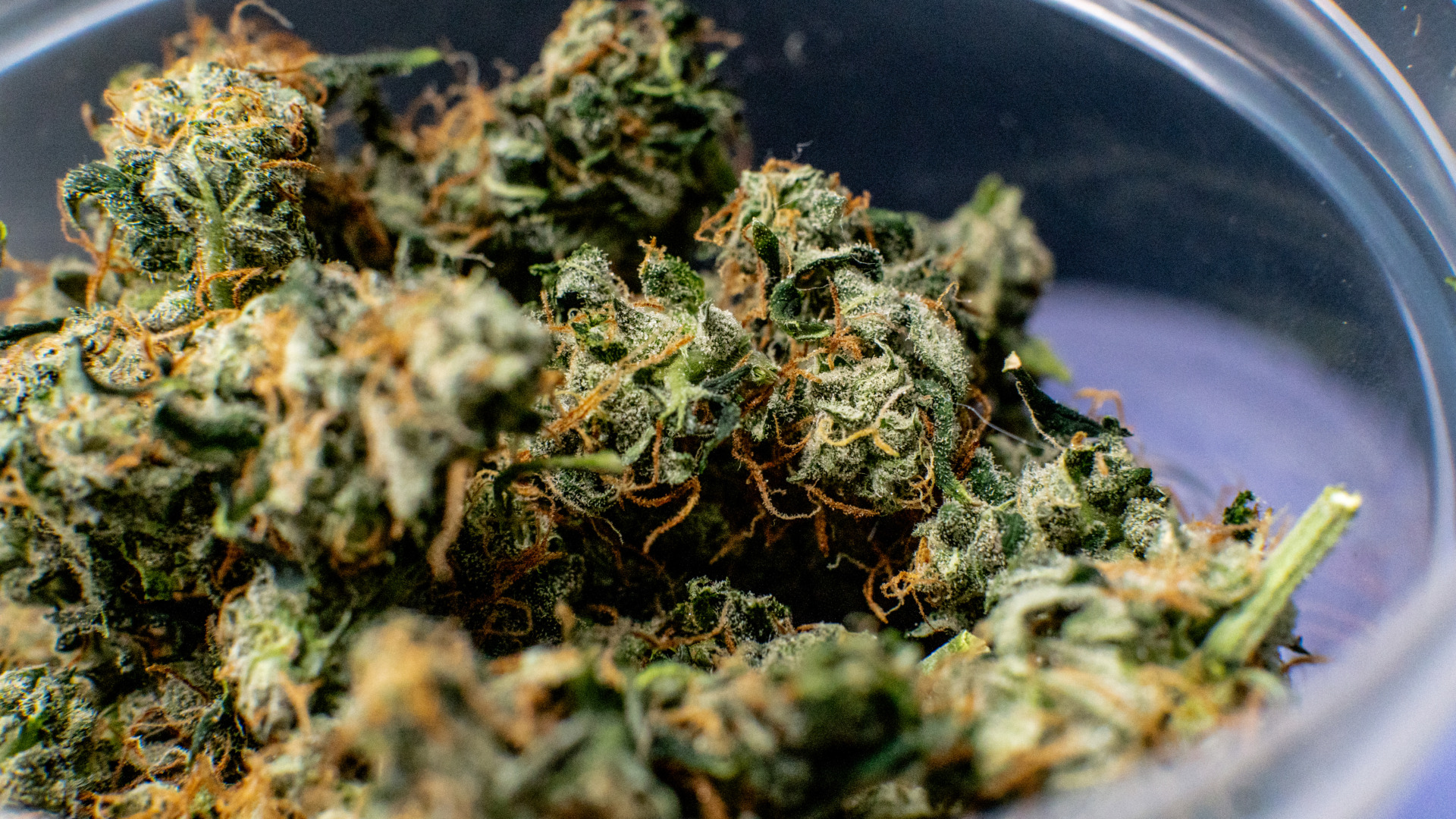
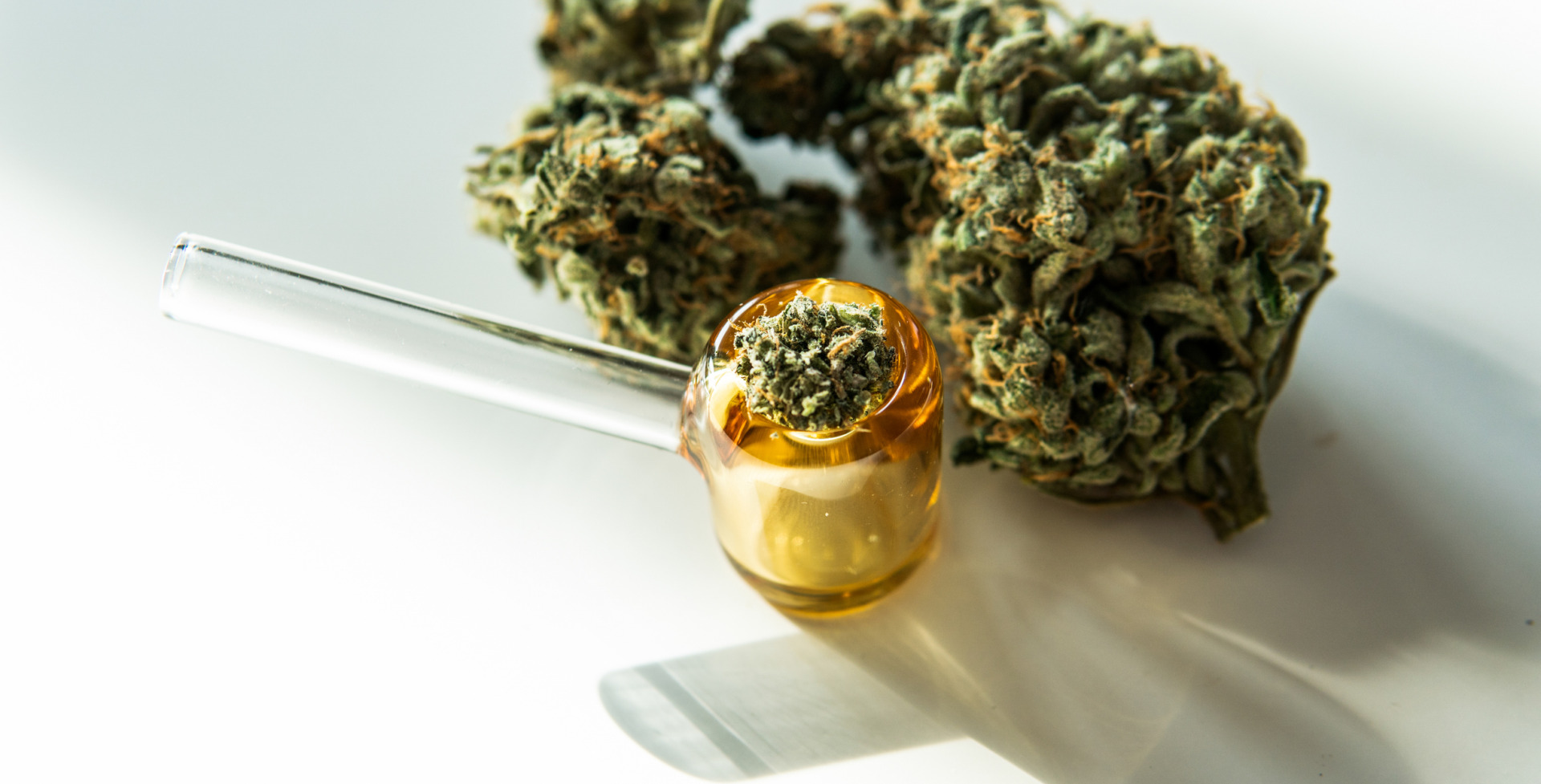
The strongest THCA flower on the market is not just the highest percentage printed on a label. Real strength comes down to a recent batch with high THCA, believable math, and trustworthy testing. When you browse the THCA flower collection at Asheville Dispensary, you are looking at strains cultivated for top-shelf potency. But experienced buyers know that judging true strength requires looking past the headline number. You have to care about COA credibility, lab consistency, and absolute freshness.
What actually counts as the strongest THCA flower in 2026?
Historically, cannabis potency has climbed significantly. Studies from the University of Washington found that average seized marijuana THC was 1.2% in 1980, rising to 4.2% in 1997, and 9.4% by 2017. Sinsemilla — seedless flower — rose from 6.3% to 11.5% to 17.8% over those same years. On a global scale, the UNODC reported that home-produced herbal cannabis rose from around 1.5% THC in the 1980s to around 10% in later years, with some herbal materials reaching 15–20%.
Today, the industry focuses heavily on testing accuracy. NIST’s Cannabis Laboratory Quality Assurance Program has had 226 laboratories registered in its Exercise 2 study, proving that verifying these high numbers is a massive undertaking. For the consumer, this translates to a simple truth: strong flower is common now. The real differentiator is believable testing, not just a flashy number.
Why the biggest THCA number is not always the best answer
Because high-potency cannabis is now the baseline, growers and marketers are incentivized to push numbers higher. But a flower claiming to be “40% THCA” might just be the result of a friendly lab or an unusually dry sample. The best answer is a product that balances high cannabinoids with rich terpenes and a verifiable lab report.
The difference between THCA %, total THC, and believable potency
To understand believable potency, you need to understand the 0.877 formula. When THCA is heated, it converts into Delta-9 THC, but it loses some molecular weight during the process. The standard math used by regulators is:
Total THC = Delta-9 THC + (0.877 × THCA)
For example, if a COA shows 30.0% THCA and 0.3% Delta-9 THC, the total THC line is about 26.61%. This is reporting and compliance math, not a promise of exact real-world effects.
How to tell whether a “30%+ THCA” claim is impressive or inflated
A study published in PLOS ONE tested 23 Colorado flower products and found that observed THC potency averaged 23.1% lower than the lowest values reported on labels — with an observed mean of just 14.98% against a reported mean of 20.27% to 24.10%. About 70% of samples came in more than 15% below their stated potency, and three samples had less than half the THC their label claimed.
NIST’s CannaQAP research found significant between-lab variability for both Delta-9 THC and THCA measurements across participating laboratories. The same flower can return meaningfully different numbers depending on which lab tests it and how they prepare the sample.
A better way to judge a 30% claim
| Check | Why it matters | What a good sign looks like |
| Recent COA | Potency degrades over time due to light and air exposure. | The test date is within the last few months. |
| Matching batch number | Strains vary from harvest to harvest. | The batch number on the product matches the lab report. |
| THCA plus Delta-9 shown together | You need both to calculate compliance and total strength. | Both values are clearly listed on the first page of the COA. |
| Full-panel safety testing | Shows the grower cares about cleanliness, not just high THC. | Tests for pesticides, heavy metals, and mold are present and passed. |
| Freshness and cure details | Protects volatile terpenes and prevents harsh smoke. | Proper moisture content and strong terpene percentages. |
How to read a THCA flower COA like an experienced shopper
If you want to read a COA accurately, follow this checklist:
- Test date and batch match: Ensure the document applies to the exact flower you are buying.
- THCA and Delta-9 together: Both numbers must be present to prove hemp compliance.
- Total THC formula in plain English: Check that the lab is using the standard 0.877 conversion factor.
- Full-panel results, not potency alone: Confirm the flower is clean and safe to consume.
- Terpene context and freshness: High terpenes usually indicate a careful cure and better flavor.
Credible testing is about method range and recovery, not just a big headline percentage. You can review all of Asheville Dispensary’s current lab results on our COA page.
Why two labs can disagree on the same flower
As the NIST CannaQAP data shows, two different laboratories can test the exact same flower and return significantly different THCA percentages. This happens due to sample preparation differences, calibration bias, and how dry the sample is at the time of testing. If one lab grinds the flower differently or tests a drier bud, the numbers shift. High numbers are not automatically more precise; they can simply be the result of a specific testing methodology.
This is worth understanding when you shop THCA flower online. You can look past brands that simply find the highest lab result and instead purchase from vendors who provide transparent, consistent testing with batch-matched COAs.
Which strains at Asheville Dispensary show up in the high-potency tier?
Rather than naming strains from other vendors’ menus, here is what AVL actually carries — and what each one delivers.
Super Boof — Private Reserve | 40% THCA | Euphoric
Super Boof is a hybrid cross of Black Cherry Punch and Tropicana Cookies, bred in California by Blockhead. At 40% THCA, it carries the highest label of any strain currently in the Private Reserve tier — and that number deserves the same scrutiny this article applies to any high claim. Check the test date, verify the batch number, confirm the full-panel results. When those boxes check out, what you get is a potent, euphoric hybrid with a bold grapefruit and citrus aroma that is as distinctive as the percentage. Effects lean toward deep relaxation paired with a lifted, joyful mood — strong enough that it earns its spot at the top of the tier.
Pineapple Express — Private Reserve | 33% THCA | Energetic
Pineapple Express is a sativa-leaning cross of Trainwreck and Hawaiian. At 33%, it sits in the range where numbers tend to hold up more consistently under independent testing. The terpene profile is driven by caryophyllene and myrcene, which come through as tropical, citrus, and pineapple notes in the aroma and taste. The experience is energetic and mood-lifting without being overwhelming. This is the strain for someone who wants real potency without being locked to the couch.
Wedding Crasher — Greenhouse | 30% THCA | Focus
Wedding Crasher is a hybrid cross of Wedding Cake and Purple Punch, grown in a greenhouse environment — natural sunlight combined with environmental controls. Hitting 30% THCA from a greenhouse grow is genuinely strong and reflects solid genetics handled well. Primary terpenes are myrcene and caryophyllene, showing up as earthy, gassy, and sweet notes. Effects are uplifting and focused, with a clarity that makes it a good daytime option for experienced consumers.
AVL’s catalog rotates regularly. Other strains that have appeared in the high-potency range include Cereal Milk, Lemon Cherry Gelato, Gushers, and LA Kush Cake — all with COAs available for review before you buy.
Is THCA flower legal to buy online? Here’s the part most pages skip
Legality depends heavily on your local jurisdiction and the testing framework used by your state. “Federally compliant” is not the same as “everywhere legal.” Some states calculate total THC using the full Delta-9 + (0.877 × THCA) formula and treat those results seriously, which means high-THCA flower can exceed the 0.3% total THC threshold at the state level even if the raw Delta-9 number clears it. Before checking out, review the current state-by-state guidance on our site.
How AVL helps you shop for strong THCA flower without guessing
At Asheville Dispensary, we remove the guesswork by prioritizing clean cultivation and verified lab data. We carry strains across a range of potency tiers because different people want different experiences.
Private Reserve vs Greenhouse
Our Private Reserve tier represents highly controlled indoor environments where THCA levels naturally peak — small-batch cultivation, rare genetics, and heavy trichome coverage. Our Greenhouse tier uses natural sunlight combined with environmental controls to offer strong, terpene-rich flower at an approachable price point. Every tier is tested and batch-verified.
Why batch transparency matters more than a flashy number
High THCA percentages matter — but so does how the plant was grown, cured, and handled before it ever reaches you. Not every shopper needs the strongest flower on the shelf; finding the right fit for your tolerance and your experience matters much more than buying something just because it says 35% on the bag.
FAQ
What is the strongest THCA flower?
The strongest flower is not a single strain name; it is a recent, well-cured batch with high THCA, believable COA math, and trustworthy full-panel lab testing. At AVL, Super Boof is currently the highest-labeled strain in our Private Reserve tier at 40% THCA.
Is 30% or 40% THCA actually strong?
Yes, 30% is very strong on paper. Buyers should remain appropriately skeptical of 40% claims, as research shows cannabis labels frequently overstate observed potency due to lab variability and moisture differences at the time of testing.
How do you read a THCA flower COA?
Check the test date, match the batch number, verify the total THC formula (Delta-9 THC + 0.877 × THCA), and look for full-panel safety tests rather than just potency numbers. All AVL COAs are available on our COA page.
Is THCA flower legal to buy online?
It is federally compliant if Delta-9 THC is below 0.3% by dry weight, but state laws vary. Legality depends on your jurisdiction and how your state calculates total THC.
Why do some labs show different THCA percentages for similar flower?
Differences in sample preparation, moisture content at time of testing, calibration methodology, and lab-to-lab variability can all cause significant differences in reported THCA numbers. This is documented in NIST’s CannaQAP research.
What to remember before you trust the biggest number
Finding potent cannabis in 2026 is easy; finding honest cannabis takes a little more effort. The strongest THCA flower will always be the one backed by a reputable grower, an independent COA, and a proper cure. By verifying the batch and understanding the math, you ensure that the premium price you pay actually translates to a premium experience. Ready to shop with confidence? Browse our full THCA flower collection at Asheville Dispensary.