

If you’ve ever spent a night staring at the ceiling, wondering why your brain won’t shut off, you aren’t alone. In the search for natural sleep aids, a “new” cannabinoid is making serious waves: Cannabinol, or CBN. While most people are familiar with CBD and THC, CBN is quickly gaining a reputation as the “sleepy cannabinoid.” CBN gummies are edible supplements designed to deliver precise doses of this compound, often formulated specifically to help you drift off faster and stay asleep longer. You can easily find these formulations in our CBN collection, where we curate products specifically for nighttime relief. But before you buy, it’s important to understand exactly what you’re taking.
What Exactly Is CBN and How Does It Work for Sleep?
CBN isn’t actually new; it was the first cannabinoid ever isolated by scientists in the late 19th century. However, it works quite differently than its more famous cousins.
The Science Behind Cannabinol Formation
Cannabinol (CBN) is unique because it is a byproduct of degradation. It doesn’t appear in high concentrations in fresh cannabis plants. Instead, CBN forms when THC (tetrahydrocannabinol) ages and breaks down due to exposure to:
- Oxygen (oxidation)
- UV Light
- Time/Heat
Think of CBN as “aged” THC. Because of this breakdown process, CBN loses most of the potent psychoactive effects associated with Delta-9 THC. It is estimated to be only about 25% as effective as THC at binding to receptors, making it minimally psychoactive—you likely won’t feel “high,” but you may feel deeply relaxed.
How CBN Interacts with Your Endocannabinoid System
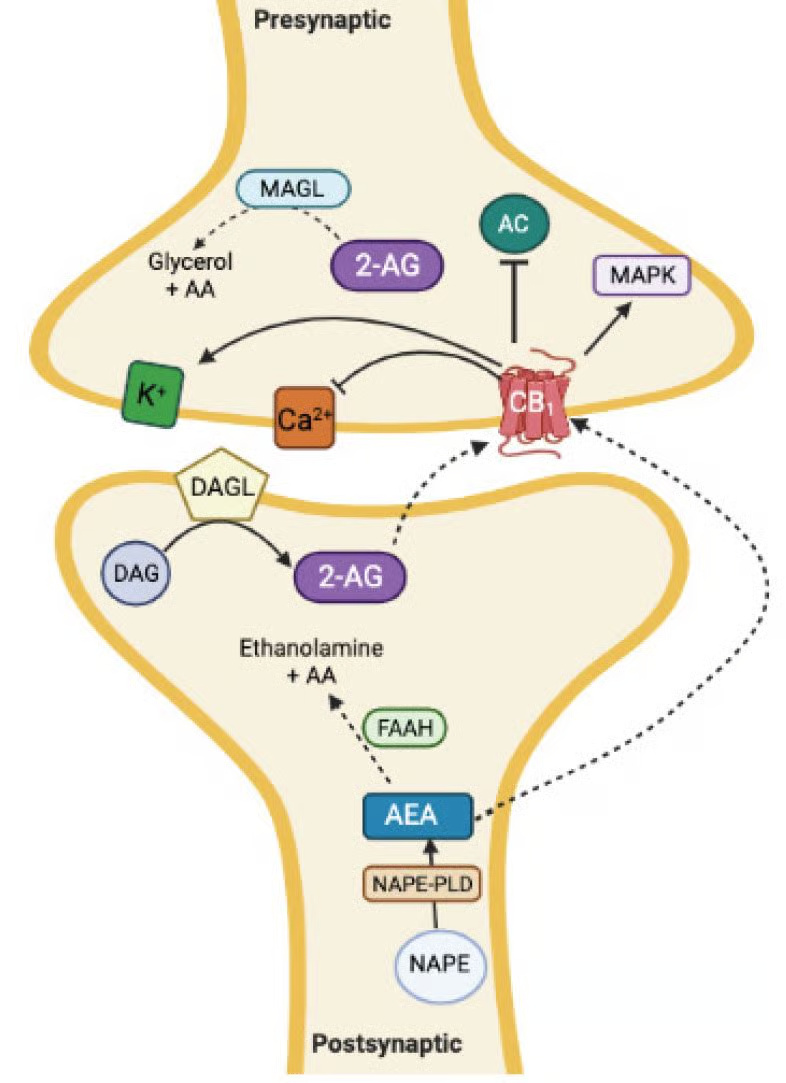
Your body has a vast network of receptors called the Endocannabinoid System (ECS) that regulates sleep, mood, and appetite. CBN interacts with this system by binding to two primary receptors:
- CB1 Receptors: Found primarily in the central nervous system and brain. CBN has a weak affinity for these, which is why it is not intensely intoxicating.
- CB2 Receptors: Found mostly in the immune system and peripheral tissues. CBN binds more strongly here, potentially offering anti-inflammatory benefits.
To understand the deeper mechanics of how cannabinoids regulate your body’s rhythm, you can read our guide on the endocannabinoid system. The theory is that by modulating these receptors, CBN encourages a state of sedation and physical relaxation conducive to sleep.
Current Research on CBN’s Sedative Properties
Does it actually work? For decades, evidence was anecdotal or based on small studies from the 1970s and 80s. However, modern science is catching up.
A significant double-blind study published in 2024 investigated the effects of CBN on sleep quality. The findings suggested that a dose of 20mg of CBN significantly reduced nighttime awakenings and overall sleep disturbance compared to a placebo. This offers some of the first robust clinical data supporting what users have reported for years. You can review the abstracts of such studies on the National Library of Medicine (PubMed) website.

How Do CBN Gummies Compare to Other Sleep Aids?
With so many options on the pharmacy shelf, where does CBN fit in?
CBN vs CBD for Sleep Quality
While both are non-intoxicating cannabinoids, they serve different primary functions. Which is better for sleep depends on why you are awake.
| Feature | CBN (Cannabinol) | CBD (Cannabidiol) |
| Primary Effect | Sedation, physical relaxation | Anxiety relief, mental calm |
| Best For | Staying asleep, falling asleep fast | Racing thoughts, anxiety-induced insomnia |
| Psychoactivity | Mild (trace amounts) | None |
If your sleep issues are rooted in physical restlessness or you simply need a heavy “knockout” effect, CBN is often preferred. If anxiety is the root cause, full spectrum CBD might be the better starting point.
CBN vs Traditional Over-the-Counter Sleep Medications
Many traditional OTC sleep aids (like diphenhydramine or doxylamine) are antihistamines. While effective, they often come with baggage:
- Synthetic vs. Natural: CBN is plant-derived; OTC pills are synthetic pharmaceuticals.
- Grogginess: OTC aids are notorious for the “zombie” feeling the next morning. CBN users report this less frequently, though dosage matters.
- Tolerance: You can build a tolerance to antihistamines quickly. CBN tolerance tends to build slower, though cycling is still recommended.
Understanding the CBN-THC Connection for Sleep
The “Entourage Effect” suggests that cannabinoids work better together than alone. This is particularly true for CBN. While CBN has sedative properties on its own, research suggests it is significantly more effective when combined with a small amount of THC. The THC acts as a catalyst, amplifying the sedative effects of the CBN. If you live in a legal area or use federally legal hemp-derived Delta 9 THC, a gummy containing both is often the “gold standard” for sleep.
How Much CBN Should You Take for Better Sleep?
Dosing is personal. What knocks out one person might barely affect another.
Finding Your Optimal CBN Dosage
Because CBN can be sedating, it is crucial to start low and go slow.
- Low Dose (Beginners): 2.5mg – 5mg. Start here to gauge sensitivity.
- Moderate Dose: 5mg – 10mg. The standard dose for most commercial gummies.
- High Dose: 10mg – 20mg. For experienced users or those with significant sleep resistance.
When to Take CBN Gummies for Maximum Effectiveness
Timing is everything. Unlike a vape which hits instantly, gummies must pass through your digestive system.
The sweet spot: Take your gummy 45 to 90 minutes before your target bedtime. This allows the liver to metabolize the cannabinoids. You should feel the peak effects roughly 2 to 4 hours after consumption, which helps keep you asleep during the middle of the night.
Factors That Affect Your CBN Response
Your friend might need 5mg while you need 15mg. Why? Several biological factors come into play:
- Body Weight & Metabolism: Faster metabolisms process cannabinoids quicker.
- Full vs. Empty Stomach: Taking gummies with a fatty snack (like peanut butter) can increase absorption, but a very full meal might delay the onset.
- Tolerance: Regular cannabis users may require higher doses of CBN.

Are There Side Effects or Risks with CBN?
Generally, CBN is considered safe, but “natural” doesn’t mean “side-effect-free.”
Common Side Effects of CBN Gummies
Most side effects are mild and dose-dependent. They are most likely to occur if you take too much, too quickly.
- Morning Drowsiness: The most common complaint. If you wake up groggy, reduce your dose or take the gummy earlier in the evening.
- Dry Mouth: “Cottonmouth” is common with most cannabinoids. Keep water by the bed.
- Mild Dizziness: Especially when standing up quickly.
Medication Interactions You Should Know About
Will CBN show up on a drug test? Yes, it is possible. While most tests look for THC metabolites, CBN is molecularly similar to THC, and cross-reactivity can cause false positives. Furthermore, many CBN products contain trace amounts of THC.
You should also be cautious if you take blood thinners or sedatives. Cannabinoids are processed by the liver’s CYP450 enzyme system, which also processes many pharmaceuticals. Taking them together can alter the effectiveness of your prescription medication.
Safety Considerations for Long-Term Use
There is currently no evidence suggesting CBN causes physical dependence or withdrawal symptoms. However, psychological reliance is possible with any sleep aid—you might start believing you can’t sleep without it. It’s often healthy to take “tolerance breaks” periodically to ensure your body regulates its own sleep cycle.
What Does the Latest Research Say About CBN and Sleep?
Science is finally testing the claims budtenders have made for years.
Recent Clinical Studies on CBN Effectiveness
2024 Study: 20mg CBN and Sleep Disturbances
A landmark study recently highlighted that 20mg of CBN was superior to placebo in reducing “nocturnal awakenings.” This suggests CBN’s superpower might not be knocking you out, but keeping you out.
CBN, THC Combinations, and Sleep Architecture
Research indicates that THC helps reduce “sleep latency” (time to fall asleep), while CBN may influence sleep architecture. When combined, they cover both bases: falling asleep faster and staying asleep longer.
What Scientists Still Don’t Know About CBN
Despite the progress, gaps remain:
- REM Sleep Impact: We don’t fully know if CBN suppresses REM sleep (dreaming) the way THC does.
- Long-Term Safety: Multi-year studies on daily CBN use have not yet been conducted.
- Optimal Timing: Current timing advice is based largely on pharmacokinetic principles rather than clinical trials.
How to Choose Quality CBN Gummies
The supplement market is unregulated, so quality control falls on the consumer.
Understanding Product Labels and Third-Party Testing
Never buy a CBN gummy without checking these three things:
- COA (Certificate of Analysis): A QR code or link to a lab report proving the product contains the advertised amount of CBN.
- Hemp Source: Domestic, US-grown hemp is subject to stricter agricultural standards than imported hemp.
- THC Content: Ensure it is compliant (under 0.3% Delta 9 THC) and matches your preference (THC-free vs. Full Spectrum).
Natural vs. Synthetic CBN: Does It Matter?
Because CBN is rare in the plant, most commercial CBN is created by converting CBD or THC in a lab. This “biosynthetic” or converted CBN is chemically identical to the natural molecule. As long as the manufacturer cleans up the byproducts (verified by that COA mentioned above), bioavailability should be the same.
Red Flags to Avoid When Shopping for CBN Products
- No lab reports available.
- Claims to “cure” insomnia or sleep apnea (illegal medical claims).
- Products sold at gas stations or unverified marketplaces where storage conditions (heat/light) might degrade the cannabinoids.
Should You Try CBN Gummies for Sleep?
CBN is not a magic bullet, but for many, it is the missing puzzle piece for a restful night.
Who Might Benefit Most from CBN
CBN is likely a good fit if you suffer from occasional sleeplessness, struggle to stay asleep through the night, or want a natural alternative to antihistamine-based sleep aids.
When to See a Doctor Instead of Self-Treating
If you have chronic insomnia (sleeplessness for more than 3 nights a week for 3 months) or symptoms of sleep apnea (snoring, gasping for air), supplements are not the answer. Please consult a medical professional.
Making an Informed Decision About CBN
If you’re ready to see if CBN can help you reclaim your nights, the best approach is to start small. Look for a reputable, lab-tested product, take a low dose on a night when you don’t have an early alarm, and listen to your body.


