Understanding cannabis strain types is essential for choosing the right THCA product for your needs. Whether you’re seeking relaxation, energy, or a balanced experience, knowing the differences between Indica, Sativa, and Hybrid strains can help you make informed decisions about your cannabis consumption.
What is THCA
THCA (tetrahydrocannabinolic acid) is the raw, non-psychoactive precursor to THC found naturally in fresh cannabis plants. Unlike THC, THCA doesn’t produce intoxicating effects until it’s heated through smoking, vaping, or cooking—a process called decarboxylation.
THCA is present in all cannabis strains, whether Indica, Sativa, or Hybrid. The strain type affects the overall experience once THCA converts to THC, influencing factors like energy levels, relaxation, and mental clarity.
How THCA Converts to THC
THCA transforms into THC through decarboxylation, which occurs when cannabis is exposed to heat. According to research published in the Journal of Cannabis Research, when you smoke or vaporize THCA flower, the heat removes a carboxyl group from the THCA molecule, converting it into psychoactive THC through a pseudo-first order reaction.
This conversion is essential for experiencing the effects associated with different strain types. Raw THCA in its acidic form won’t produce the characteristic Indica relaxation or Sativa energy until it’s been decarboxylated.
The temperature and duration of heating affect how much THCA converts to THC. Optimal decarboxylation occurs between 220-250°F (104-121°C), with most conversion happening within the first few seconds of inhalation.
What Are the Differences Between Indica, Sativa, and Hybrid THCA Strains
Cannabis strain types are traditionally classified based on their physical characteristics, growth patterns, and reported effects. Understanding these differences helps consumers select strains that align with their desired experience.
Indica strains originated from the Hindu Kush mountain region and are known for their shorter, bushier plants with wider leaves. Users typically report relaxing, sedating effects that are ideal for evening use, pain relief, and sleep support. For those seeking these calming effects, exploring Indica-dominant THCA strains can provide the deep relaxation many users desire.
Sativa strains come from equatorial regions and grow tall with narrow leaves. They’re associated with energizing, uplifting effects that many prefer for daytime use, creativity, and social activities.
Hybrid strains are crossbreeds of Indica and Sativa plants, designed to combine desirable traits from both. Hybrids can be Indica-dominant, Sativa-dominant, or balanced, offering a wide spectrum of effects.
THCA Indica vs Sativa Effects
The effects of Indica and Sativa THCA strains differ significantly once the THCA is converted to THC through heat.
Indica strains typically produce body-focused effects including deep physical relaxation, reduced muscle tension, and sedation. Many users choose Indica strains for managing chronic pain, insomnia, anxiety, and stress. The “couch-lock” sensation associated with Indica strains makes them ideal for nighttime use.
Sativa strains tend to create more cerebral, head-focused effects such as increased energy, enhanced creativity, improved focus, and elevated mood. These effects make Sativa strains popular for daytime activities, social gatherings, and creative projects.
However, individual responses vary based on personal biochemistry, tolerance, and the specific cannabinoid and terpene profile of each strain. Some people find certain Sativa strains relaxing or particular Indica strains energizing.
What Are the Characteristics of Hybrid THCA Strains
Hybrid THCA strains combine genetics from both Indica and Sativa plants, creating unique cannabinoid and terpene profiles that offer blended effects. Breeders develop hybrids to enhance specific characteristics while minimizing unwanted effects.
Indica-dominant hybrids (typically 70% Indica / 30% Sativa or higher) provide relaxing effects with a touch of mental clarity, making them suitable for evening use without excessive sedation.
Sativa-dominant hybrids (typically 70% Sativa / 30% Indica or higher) offer energizing effects with reduced anxiety or paranoia, providing daytime relief without overwhelming stimulation.
Balanced hybrids (close to 50/50) deliver the best of both worlds, offering moderate relaxation alongside mental alertness. These strains work well for users seeking versatile effects throughout the day.
Best THCA Strain Type for Relaxation
For maximum relaxation, Indica and Indica-dominant hybrid THCA strains are typically the best choices. These strains produce calming effects that help reduce physical tension and promote restfulness.
Popular relaxing Indica strains include Granddaddy Purple, Northern Lights, and Bubba Kush. These varieties are known for their high myrcene content, a terpene associated with sedative effects.
When selecting a strain for relaxation, look for products with higher THCA percentages combined with relaxing terpenes like myrcene, linalool, and caryophyllene. These compounds work synergistically to enhance the calming properties.
Timing also matters—consume relaxing strains in the evening or before bed when you can fully enjoy the sedative effects without interfering with daily responsibilities.
Is THCA Legal
THCA legality exists in a complex legal gray area, particularly in Asheville, North Carolina. Under the 2018 Farm Bill, hemp-derived products containing less than 0.3% delta-9 THC by dry weight are federally legal in the United States. Since THCA is not delta-9 THC in its raw form, many THCA products derived from hemp fall within this legal framework.
In North Carolina and Asheville specifically, THCA products remain legal as of 2025 under state hemp regulations. North Carolina follows federal hemp guidelines, allowing the sale and possession of hemp-derived cannabinoids including THCA, provided they meet the 0.3% delta-9 THC threshold. Senate Bill 328, passed in 2023, did not ban THCA flower, keeping these products accessible to adults 21 and older in Asheville and throughout the state.
However, North Carolina’s cannabis landscape is evolving. Governor Josh Stein established the North Carolina Advisory Council on Cannabis in 2025 to develop comprehensive cannabis policy recommendations. While recreational marijuana remains illegal in North Carolina, hemp-derived THCA products continue to be sold legally at licensed dispensaries in Asheville and across the state.
Important considerations for Asheville residents: While THCA is legal to purchase and possess in North Carolina, it’s important to note that once heated (smoked or vaped), THCA converts to THC. Although this conversion occurs during legal consumption, North Carolina maintains strict laws against marijuana possession. Always purchase from licensed, reputable dispensaries like Asheville Dispensary to ensure compliance with state testing and labeling requirements.
Laws continue to evolve, and what’s legal today may change as the state considers broader cannabis reform. Stay informed about North Carolina cannabis legislation and local Asheville ordinances.
THCA vs THC Differences
While THCA and THC are closely related, they have distinct characteristics that affect how they interact with your body.
Chemical Structure: THCA contains an extra carboxyl group that THC lacks. This additional molecular component prevents THCA from binding effectively to CB1 receptors in the brain.
Psychoactivity: THCA is non-intoxicating in its raw form, while THC produces the characteristic “high” associated with cannabis use.
Effects: Raw THCA may offer potential therapeutic benefits without impairment, while THC provides both recreational and medicinal effects with psychoactivity.
Conversion: THCA readily converts to THC when exposed to heat, light, or time, though heat provides the fastest and most complete conversion.
Legal Status: THCA from hemp is federally legal under certain conditions, while THC remains a Schedule I controlled substance at the federal level (though legal in many states).
How to Identify an Indica vs Sativa Plant
Distinguishing between Indica and Sativa plants involves observing several physical characteristics.
Plant Height: Sativa plants grow tall (8-12 feet or more outdoors) with long internodal spacing, while Indica plants stay short and bushy (3-6 feet), with tight node spacing.
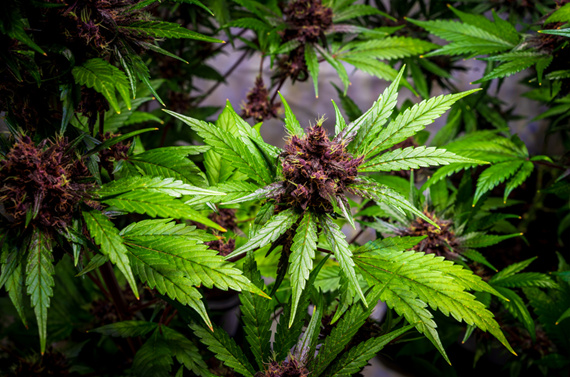
Leaf Shape: Sativa leaves are long, thin, and finger-like with narrow blades, whereas Indica leaves are broad, wide, and chunky with thick blades.
Bud Structure: Sativa buds are loose, airy, and elongated, running along branches. Indica buds are dense, compact, and clustered around nodes.
Flowering Time: Indica strains typically finish flowering in 6-8 weeks, while Sativa strains take 10-16 weeks to fully mature.
Geographic Origin: Sativa plants adapted to equatorial climates with consistent light cycles. Indica plants evolved in mountainous regions with harsh, variable conditions.
Explanation of Cannabis Strain Classification System
The traditional Indica/Sativa classification system is based on plant morphology and geographic origin rather than chemical composition. While useful as a general guide, this system has limitations.
Modern research suggests that cannabinoid and terpene profiles are more accurate predictors of effects than plant type alone. Two Indica strains can produce vastly different experiences depending on their chemical makeup.
The concept of “chemovars” (chemical varieties) is gaining popularity among cannabis scientists. This classification focuses on the plant’s chemical profile—specifically its cannabinoid ratios and terpene content—rather than physical characteristics.
Despite scientific advances, the Indica/Sativa/Hybrid system remains popular among consumers and retailers because it provides a simple framework for understanding potential effects. Many dispensaries now include terpene profiles and lab testing data alongside traditional strain classifications.
Terpene Profiles of Sativa vs Indica Strains
Terpenes are aromatic compounds that contribute significantly to strain effects and are often more reliable indicators of experience than Indica/Sativa labels alone. Research from the National Institutes of Health has identified that terpene profiles vary significantly between cannabis chemotypes and play a crucial role in determining overall effects.
Common Indica Terpenes:
- Myrcene: Earthy, musky aroma; promotes relaxation and sedation
- Linalool: Floral, lavender scent; calming and anxiety-reducing
- Caryophyllene: Spicy, peppery notes; anti-inflammatory and stress-relieving
Common Sativa Terpenes:
- Limonene: Citrus aroma; uplifting and mood-enhancing
- Pinene: Pine scent; alertness and memory retention
- Terpinolene: Floral, herbal fragrance; creative and energizing
Hybrid Terpene Profiles: Hybrids contain diverse terpene combinations that create unique effects. A balanced hybrid might feature both myrcene for relaxation and limonene for mood elevation.
Understanding terpene profiles helps you select strains based on desired effects rather than relying solely on Indica/Sativa classifications.
Which THCA Strain is Better for Creativity
Sativa and Sativa-dominant hybrid THCA strains are generally preferred for creative endeavors. These strains promote mental clarity, focus, and divergent thinking that many artists and creators find beneficial.
Popular creative strains include Jack Herer, Durban Poison, and Green Crack (now often called Green Crush). These varieties are known for providing cerebral stimulation without excessive sedation.
Terpenes like limonene, pinene, and terpinolene enhance creative thinking by promoting alertness and positive mood. Look for strains high in these compounds when seeking inspiration.
Dosage matters for creativity—lower doses often provide the ideal balance of stimulation and focus, while higher doses may become overwhelming or distracting.
Guide to THCA Strain Types
Navigating the world of THCA strains becomes easier when you understand how to match strain types with your goals and preferences.
For Sleep and Relaxation: Choose Indica or Indica-dominant hybrids with high myrcene content. Look for strains labeled as “sedating,” “relaxing,” or “nighttime.”
For Energy and Productivity: Select Sativa or Sativa-dominant hybrids with uplifting terpenes. Seek strains described as “energizing,” “uplifting,” or “daytime.”
For Balanced Effects: Opt for 50/50 hybrids that provide moderate relaxation without excessive sedation or stimulation.
For Pain Relief: Both Indica and high-CBD hybrids can be effective. Consider strains with caryophyllene for additional anti-inflammatory benefits.
For Social Situations: Balanced hybrids or mild Sativas work well, providing relaxation without drowsiness or excessive mental intensity.
For Anxiety Management: Indica strains or CBD-rich hybrids often work best, though individual responses vary. Avoid high-THC Sativas if prone to anxiety.
Cannabis Strain Types: Understanding the Basics
The foundation of cannabis strain types lies in understanding three basic categories that have guided consumers for decades.
Indica strains are characterized by their relaxing, body-focused effects. These plants evolved in harsh mountainous climates, developing shorter flowering times and dense bud structures. Consumers typically choose Indica strains for evening use, pain management, and sleep support.
Sativa strains provide energizing, cerebral effects. Originating in equatorial regions, these plants grew tall to compete for sunlight and developed longer flowering periods. Users prefer Sativa strains for daytime activities, creative projects, and social engagement.
Hybrid strains represent the most diverse category, combining traits from both parent types. Modern cannabis breeding has created countless hybrids, each with unique effect profiles. Hybrids allow consumers to fine-tune their experience by selecting the ratio of Indica to Sativa genetics.
Hybrid Strain Basics: What You Need to Know
Hybrid THCA strains offer the most versatility in cannabis consumption, providing tailored experiences through selective breeding.
Modern hybrids are developed with specific goals—some prioritize high THCA content, others focus on particular terpene profiles, and many aim for unique effect combinations. Understanding hybrid basics helps you navigate the extensive variety available.
Breeding Techniques: Hybridization involves cross-pollinating male and female plants from different strains. Breeders select offspring that display desired traits, then stabilize these characteristics through multiple generations.
Phenotypes: Even within the same hybrid strain, individual plants (phenotypes) may express different characteristics. This explains why the same strain name can produce varying effects from different growers.
Naming Conventions: Hybrid names often hint at their lineage (e.g., Blue Dream = Blueberry × Haze) or characteristic effects. However, naming isn’t standardized, so always check lab results and terpene profiles.
Selection Tips: When choosing hybrids, consider the Indica/Sativa ratio, THCA percentage, dominant terpenes, and intended use time (day vs. night). Many dispensaries provide detailed product information to guide your selection.
Strain Classification Education: Making Informed Choices
Educating yourself about strain classification empowers you to select THCA products that align with your needs and preferences.
Read Lab Reports: Reputable dispensaries provide Certificate of Analysis (COA) documents showing cannabinoid percentages and terpene profiles. These reports offer more reliable information than strain names alone.
Start Low and Go Slow: When trying new strains, begin with small amounts to gauge your individual response. Effects vary based on personal biochemistry, tolerance, and consumption methods.
Keep a Journal: Track which strains you try, their effects, dosage, and time of day consumed. This personal database helps you identify patterns and refine your selections.
Consult Budtenders: Knowledgeable staff at reputable dispensaries like Asheville Dispensary can guide you based on your experience level and desired effects.
Consider Your Goals: Match strain types to specific activities—Indica for winding down, Sativa for active pursuits, and hybrids for versatile use throughout the day.
Understand Limitations: The Indica/Sativa classification provides general guidance but isn’t absolute. Chemical composition matters more than plant type, so prioritize cannabinoid and terpene information when available.
Final Thoughts
Understanding THCA strain classification helps you navigate the diverse world of cannabis products with confidence. Whether you prefer the relaxation of Indica, the energy of Sativa, or the balanced effects of Hybrid strains, choosing the right product starts with education. At Asheville Dispensary, we provide detailed product information and knowledgeable guidance to help you select the perfect THCA strain for your individual needs.