

The question of whether indica strains induce sleepiness is one of the most common inquiries among cannabis users, especially those seeking relief from insomnia. For individuals exploring natural sleep aids, understanding the distinction between strains is vital. If you are looking for potent, lab-tested options, browsing high-quality THCA flower is an excellent starting point to find strains specifically cultivated for relaxation.
Sleep disorders are a significant public health issue. As a result, many are turning to cannabis; surveys indicate that 77% of men and 64% of women between the ages of 21 and 64 have used cannabis as a sleep aid. But does the science support the common belief that indica is the best choice for sleep?
Why Does Indica Make You Tired? The Science Explained
Yes, indica makes you tired, and the data supports this user experience. A cross-sectional survey published in the Journal of Cannabis Research found that 72% of users reported feeling “sleepy/tired” after using indica strains, compared to only 13% for sativa strains. This massive 59-percentage-point difference confirms that the sedative reputation of indica is grounded in widespread user reality.
User Reported Sedation
72% of participants felt sleepy after using indica.
13% of participants felt sleepy after using sativa.
Source: PMC8517044
The Myrcene Connection: How This Terpene Induces Sleepiness
The primary driver of indica’s sedative effects is believed to be the terpene myrcene. Research from Dalhousie University confirmed that strains labeled “indica” tend to have significantly higher concentrations of myrcene than those labeled “sativa.”

Myrcene is the most abundant terpene in cannabis and acts as a potent muscle relaxant and sedative at high concentrations.
A review in Frontiers in Nutrition established a critical threshold for this effect: cannabis strains containing greater than 0.5% myrcene are likely to induce sedative qualities, often described as the “couch-lock” effect. At levels below 0.5%, myrcene may produce an energizing effect, highlighting the importance of concentration. This terpene acts as a muscle relaxant and potentiates the effects of THC, deepening the physical sensation of relaxation.
THC’s Role in Sleep Latency and Duration
While terpenes play a crucial role, THC itself is a potent sleep aid. A study cited by the Sleep Foundation indicates that cannabis use is associated with a greater than 30-minute increase in total sleep time. Additionally, THC has been shown to significantly reduce sleep latency (the time it takes to fall asleep), making it particularly effective for those with sleep-onset insomnia.
However, potency matters. In 1972, seized cannabis contained less than 2% THC. By 2017, the average THC potency had risen to 17.8%. This dramatic increase means modern indica strains are far more sedating than those available in previous decades.
The Entourage Effect: How Cannabinoids and Terpenes Work Together
The sedative power of indica is not due to one single compound but rather the “entourage effect”—the synergistic interaction between cannabinoids like THC and CBD, and terpenes like myrcene, caryophyllene, and linalool. This synergy explains why whole-flower consumption often produces more robust sedative effects than isolated THC products.
What Does Research Say? Indica vs. Sativa for Sleep
Beyond user anecdotes, rigorous scientific studies have sought to validate the indica vs. sativa distinction for sleep. A landmark study published in the Journal of Medical Internet Research (JMIR) analyzed data from 991 medicinal cannabis users to determine efficacy.
The 72% vs. 13% Statistic: What Users Actually Report
As mentioned, the preference for indica is overwhelming. In the cross-sectional survey, 62% of participants preferred using indica at the end of the day, aligning with the biological effects of sedation. Conversely, only 18% preferred sativa for evening use, with most users reserving it for daytime activities due to its stimulating properties.
Large-Scale Study: Indica Reduces Insomnia More Than Sativa
The JMIR study provided quantitative evidence of indica’s superiority. Results showed that indica-dominant strains reduced insomnia symptom severity significantly more than sativa strains. The statistical analysis revealed a mean difference of 0.74 (p<.001) in symptom relief favor of indica over sativa.
Furthermore, users reported a substantial improvement in overall symptom severity. On an 11-point scale, the mean severity rating dropped from 7.35 (pre-use) to 3.20 (post-use)—a 4.15-point improvement that underscores the clinical potential of indica strains for sleep disorders.
The Dalhousie University Finding: Why Labels Are Misleading
It is important to note a scientific nuance: genetic testing by Dalhousie University has shown that the terms “indica” and “sativa” are often genetically meaningless due to decades of cross-breeding. However, the study did find that strains commercially labeled as “indica” consistently possessed higher levels of myrcene. Therefore, while the botanical classification may be flawed, the consumer label “indica” serves as a reliable proxy for a myrcene-rich, sedating chemical profile.
Best Indica Strains for Sleep
Based on the strain classification and user data, specific indica strains stand out for their sleep-inducing properties. These strains typically feature high THC content and a myrcene-dominant terpene profile.
Northern Lights (THC: 18-22%)
One of the most famous indica strains, Northern Lights is renowned for its ability to relax the muscles and mind. With THC levels ranging from 18-22%, it provides a potent sedative effect without being overwhelming for experienced users.
Granddaddy Purple (THC: 17-27%)
Often recommended for severe insomnia, Granddaddy Purple (GDP) contains high levels of myrcene and linalool. Its THC content can reach up to 27%, making it a heavy hitter for those who struggle to stay asleep.
Bubba Kush (THC: 17-27%)
Known for its tranquilizing effects, Bubba Kush is the archetype of the “couch-lock” strain. It is heavily sedative and is best used right before bed.
Ice Cream Cake (THC: 22%)
A modern favorite, Ice Cream Cake combines a high THC content (~22%) with a creamy, vanilla aroma. Users report it “melts away” stress and physical tension, facilitating a smooth transition into sleep.
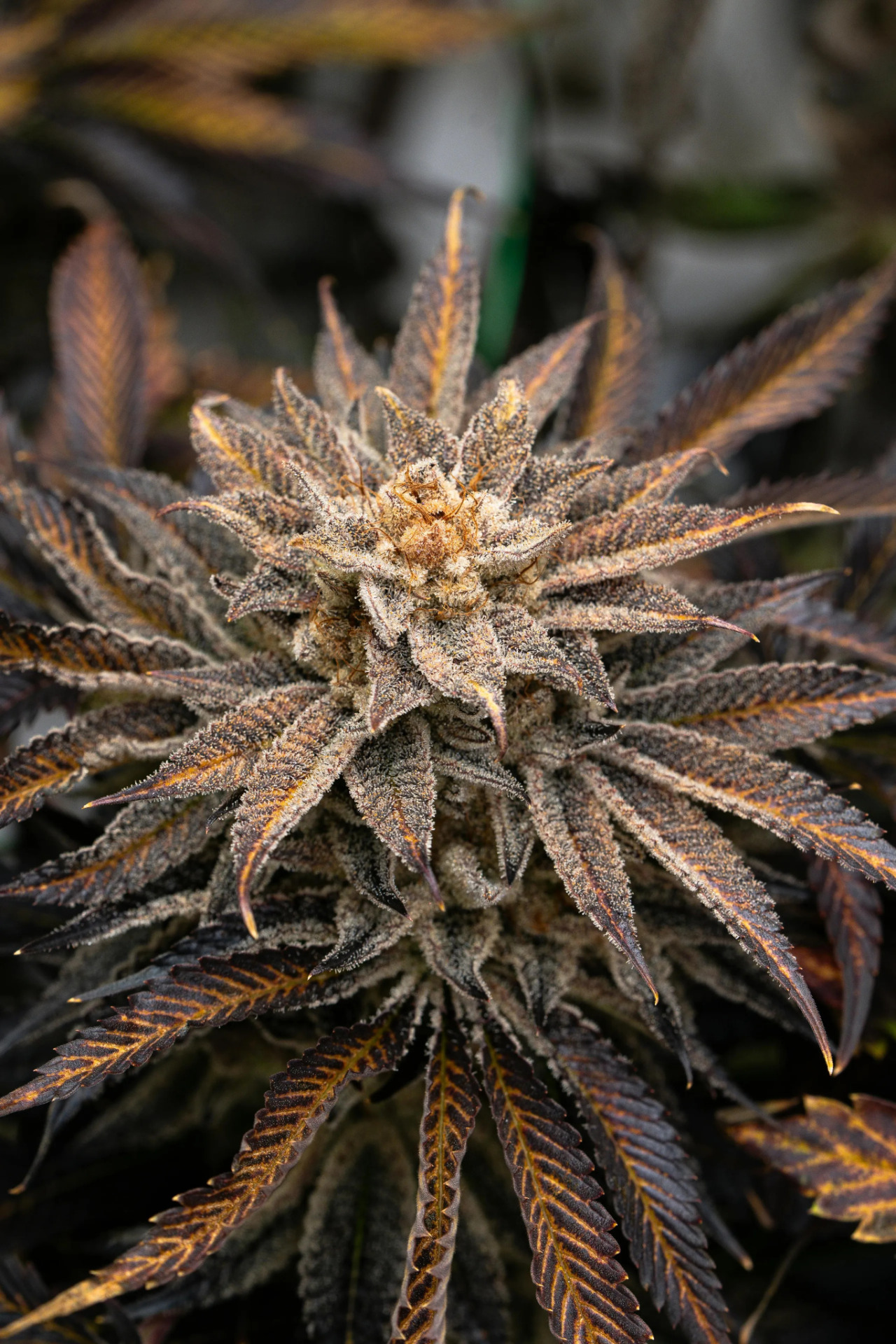
High-quality indica flower is often covered in trichomes, the resin glands containing THC and terpenes like myrcene.
How to Use Indica for Sleep: Dosage and Method Guide
Proper dosing is critical to maximizing benefits while minimizing side effects like grogginess.
Starting Dose: Health Canada’s 2.5mg THC Recommendation
Health Canada recommends that new users start with a very low dose of 2.5 mg of THC once per day for sleep. This low-and-slow approach helps gauge individual sensitivity.
Smoking vs. Edibles: Bioavailability (56% vs. 4-20%)
The method of consumption dramatically affects onset and intensity. Smoked or vaped cannabis has a high bioavailability of roughly 56%, meaning more THC enters the bloodstream, with effects felt within minutes. In contrast, orally ingested cannabis (edibles) has a much lower bioavailability of 4% to 20% due to the first-pass metabolism in the liver. However, the effects of edibles last much longer (6-8 hours), which may be beneficial for maintaining sleep throughout the night.
Timing: When to Consume for Best Results
For inhalation methods, consume 15-30 minutes before bed. For edibles, take them 60-90 minutes before your desired sleep time to allow for digestion and onset.
Risks and Side Effects: What You Need to Know
While effective, cannabis is not without risks regarding sleep architecture and dependency.
REM Sleep Suppression: The Memory Impact
THC is known to suppress REM (Rapid Eye Movement) sleep. This is the stage of sleep associated with dreaming and emotional processing. While reducing REM can be beneficial for those with PTSD who suffer from nightmares, long-term suppression may impact memory consolidation and mood regulation.
Tolerance and Withdrawal: The Sleep Disruption Cycle
Regular use leads to tolerance, requiring higher doses for the same sedative effect. Paradoxically, stopping cannabis can cause “rebound insomnia.” A systematic review found that cannabis withdrawal leads to increased sleep latency and reduced sleep quality during the withdrawal period.
Long-Term Sleep Architecture Changes
A 2024 study in Sleep found that 55.2% of chronic cannabis users had sleep efficiency scores of less than 85%, which is the clinical threshold for poor sleep. This suggests that while cannabis helps you fall asleep, it may reduce the overall quality of restorative rest over time.
CBD vs. THC for Sleep: What’s the Difference?
While 27% of users report trying CBD for sleep, the data on its efficacy compared to THC is mixed.
CBD-Only Strains: Less Effective for Sleep?
The JMIR study found that CBD-dominant strains were less effective than indica-dominant (high THC) strains for reducing insomnia severity. THC appears to be the primary sedative agent, while CBD is more effective for anxiety.
Balanced THC/CBD Ratios: The Sweet Spot?
For many, a balanced ratio (e.g., 1:1 THC to CBD) offers the best of both worlds: the sedation of THC with the anxiolytic (anxiety-reducing) properties of CBD, potentially mitigating the “high” and next-day grogginess.
Who Should Consider Indica for Sleep?
With 340,000 registered medical cannabis patients in Canada alone, the demographic using cannabis for sleep is diverse.
Insomnia with Comorbid Mental Health Conditions
Statistics show that 70% to 80% of individuals with mental health disorders also suffer from insomnia. For these patients, indica strains may address both the sleep disturbance and underlying anxiety or stress.
Chronic Pain and Sleep Disorders
Pain is a major disruptor of sleep. The potent analgesic properties of indica strains (often rich in myrcene and caryophyllene) can provide dual relief, making them ideal for patients whose insomnia is driven by physical discomfort.
Note: While indica can be a powerful tool for sleep, it is essential to consult with a healthcare provider, especially if you have existing health conditions or are taking other medications.


