You just invested in premium THCA carts, only to wonder weeks later if they’re still good. That slight color change, the taste that’s not quite right—are these warning signs or normal aging? The uncertainty can be frustrating, especially when you’ve spent good money on quality products.
In this comprehensive storage guide, you’ll learn exactly how long THCA products last (spoiler: 6-24 months depending on storage), optimal storage temperatures (60-70°F), humidity levels (55-62% RH for flower, lower for carts), and container choices. We’ll cover expiration timelines for carts, flower, concentrates, and edibles; visual and olfactory indicators of degradation; the science of decarboxylation during storage; and common mistakes that destroy potency. Whether you’re storing a single cart or maintaining a collection, this guide provides evidence-based methods to preserve quality, potency, and safety.
Do THCA Vape Carts Expire? Scientific Analysis of Shelf Life, Visual Signs, and Storage Solutions
Yes, THCA carts do expire, typically lasting 6-12 months with proper storage conditions, and up to 24 months under ideal circumstances. Unlike flower products, carts face unique degradation challenges due to their concentrated format and potential for oxidation within the cartridge hardware.
The expiration process involves multiple factors working together. THCA itself is relatively stable, but the carrier oils, terpenes, and other compounds in carts degrade over time. Metal components in the cartridge can catalyze oxidation, while plastic components may leach chemicals or allow air penetration. These factors combine to create a complex degradation timeline that varies significantly based on storage conditions.
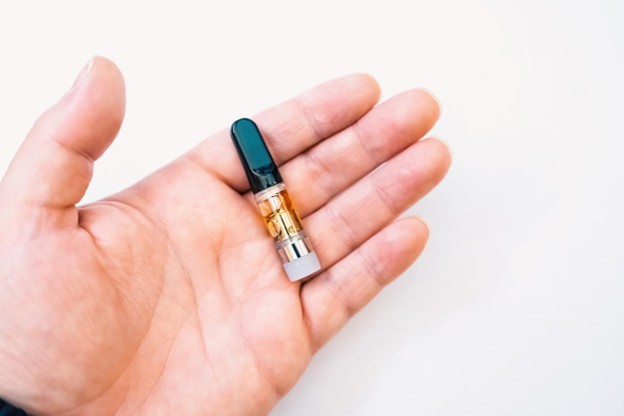
Visual degradation signs appear gradually but become unmistakable with advanced deterioration. Fresh THCA carts typically display a light amber to golden color, while aged carts darken to deep amber, brown, or even black. Crystallization may appear as white or clear formations, particularly around the mouthpiece or bottom of the cartridge. Separation shows as distinct layers of different viscosity or color within the oil.
| Storage Condition | Expected Lifespan | Potency Retention | Quality Indicators |
|---|---|---|---|
| Optimal (Cool, Dark, Upright) | 18-24 months | 85-90% after 12 months | Minimal color change, preserved taste |
| Good (Room Temp, Dark) | 12-18 months | 75-85% after 12 months | Slight darkening, good functionality |
| Poor (Warm, Light Exposure) | 3-6 months | 50-70% after 6 months | Significant darkening, taste changes |
| Very Poor (Hot, Direct Sun) | 1-3 months | 30-50% after 3 months | Dark brown/black, harsh taste |
Prevention strategies center on controlling environmental factors. Store carts in dark locations away from windows and artificial lighting. Maintain consistent temperatures between 60-70°F when possible. Keep carts upright to prevent leaking and ensure even oil distribution. Use original packaging or padded storage cases to prevent physical damage and light exposure.
Key Takeaway: Inspect carts before each use by checking color (should remain light amber), consistency (no separation or crystallization), and smell (should maintain terpene aroma without harsh or burnt odors). When in doubt, discard aged carts rather than risk degraded experiences.
What Temperature Is Optimal for THCA Storage? Complete Temperature Control Guide
The optimal temperature range for THCA storage is 60-70°F (15-21°C), with stability decreasing rapidly above 77°F (25°C). Temperature control represents the single most important factor in preserving THCA potency and preventing unwanted decarboxylation during storage.
Temperature threshold analysis reveals distinct degradation zones. Below 60°F, degradation slows significantly but may cause consistency issues with concentrates and carts (thickening that affects vaping performance). The 60-70°F range provides optimal balance between preservation and usability. Between 70-77°F, aging accelerates but remains manageable for shorter storage periods. Above 77°F, rapid degradation begins, including increased decarboxylation rates that convert THCA to THC.
Environmental factors create real-world temperature challenges. Room temperatures fluctuate seasonally and daily, with summer months often exceeding ideal ranges. Vehicle storage represents extreme danger—car interiors regularly reach 100-120°F in moderate weather, destroying THCA products within hours. Even indoor locations near windows, heat vents, or electronics can experience temperature spikes that damage products over time.
| Temperature Range | THCA Stability | Degradation Rate | Storage Duration | Considerations |
|---|---|---|---|---|
| Below 60°F (15°C) | Excellent | Very slow | 18-24 months | May thicken concentrates/carts |
| 60-70°F (15-21°C) | Optimal | Slow | 12-18 months | Ideal for all product types |
| 70-77°F (21-25°C) | Good | Moderate | 6-12 months | Acceptable for short-term |
| Above 77°F (25°C) | Poor | Rapid | 1-6 months | Decarboxylation risk increases |
Temperature control solutions range from simple to sophisticated. Climate-controlled spaces provide the most consistent environment but aren’t always practical. Refrigeration works well for long-term storage, though it requires gradual temperature transitions to prevent condensation. Freezer storage remains controversial—while it halts degradation, freeze-thaw cycles can damage product consistency.
Temperature Warning: Never store THCA products in vehicles, direct sunlight, or near heat sources. Car storage can destroy products in hours during warm weather. Even brief exposure to temperatures above 90°F can cause permanent degradation.
Key Takeaway: Consistency matters more than perfection in temperature control. Stable 70°F storage outperforms fluctuating 65-75°F conditions. Focus on avoiding temperature extremes rather than achieving perfect conditions.
How Long Does THCA Last? Complete Shelf Life Analysis Across All Storage Conditions
THCA shelf life varies dramatically by product type and storage conditions: 6-12 months for properly stored flower and carts at room temperature, 12-18 months under cool dark conditions, and 18-24 months when refrigerated. Product format significantly impacts longevity due to surface area exposure and processing methods.
Potency degradation follows predictable patterns but varies by storage quality. Under ideal conditions (cool, dark, airtight), THCA products lose approximately 10-20% potency annually. Poor storage conditions (warm, light, air exposure) can result in 30-50% potency loss within the same timeframe. This degradation isn’t linear—it accelerates over time as protective compounds break down.
| Product Type | Proper Storage Lifespan | Poor Storage Lifespan | Potency Retention (1 Year) | Primary Degradation Factors |
|---|---|---|---|---|
| THCA Flower | 6-12 months | 3-6 months | 80-90% | Light, humidity, handling |
| THCA Carts | 6-12 months | 3-4 months | 75-85% | Oxidation, temperature, hardware |
| THCA Concentrates | 12-18 months | 6-8 months | 85-95% | Light, air exposure, temperature |
| THCA Edibles | 3-6 months | 1-2 months | 70-80% | Moisture, temperature, ingredients |
Storage method comparison reveals significant differences in preservation effectiveness. Vacuum-sealed containers can extend shelf life by 50-100% compared to regular storage. Refrigerated storage slows degradation dramatically but requires careful moisture control. Freezing halts most degradation processes but can affect texture and consistency upon thawing.
Key Takeaway: Quality loss doesn’t equal safety concerns—aged THCA products typically remain safe to consume but with reduced potency and flavor. However, any signs of mold, unusual odors, or dramatic color changes warrant immediate disposal regardless of age.
What Are the Best THCA Storage Containers? Glass, Plastic, and Silicone Comparison
Amber glass jars provide optimal storage for flower and concentrates, while original packaging suffices for carts when stored in dark environments. Container selection impacts preservation through UV protection, chemical inertness, and airtight sealing capabilities.
Material analysis reveals distinct advantages and limitations for each option. Amber glass blocks harmful UV rays while remaining chemically inert—it won’t leach compounds or absorb terpenes over time. Clear glass offers visibility but requires dark storage locations. Food-grade plastics provide convenience and durability but may allow gradual air penetration and potential chemical migration over extended periods.
| Container Type | Pros | Cons | Best For | Storage Duration |
|---|---|---|---|---|
| Amber Glass | UV protection, inert, reusable | Breakable, heavier | Flower, concentrates | Long-term (12+ months) |
| Clear Glass | See contents, inert | UV exposure | Dark storage only | Medium-term (6-12 months) |
| Food-Grade Plastic | Lightweight, affordable, durable | Potential leaching, UV permeable | Short-term storage | Short-term (3-6 months) |
| Silicone | Flexible, non-stick, easy cleaning | Porous, absorbs terpenes | Concentrates (short-term) | Short-term (1-3 months) |
| Original Cart Packaging | Designed for product, convenient | Quality varies by manufacturer | Carts in dark storage | Varies (3-12 months) |
Selection criteria should prioritize UV protection, airtight sealing, and material inertness. Size matching prevents excess air space that accelerates oxidation. Quality seals—whether screw-on lids, clamp-top designs, or vacuum systems—make significant differences in preservation effectiveness.
Container Warning: Avoid low-quality plastics, especially those not marked as food-grade. Never use containers previously used for cleaning products or other chemicals, even if thoroughly cleaned. Metal containers can catalyze degradation and should be avoided for long-term storage.
Key Takeaway: Investment in quality storage containers pays dividends in preserved potency and flavor. A $15 amber glass jar can preserve hundreds of dollars worth of THCA products when used properly with appropriate environmental controls.
How to Identify Expired THCA Products? Visual, Olfactory, and Safety Indicators
Check for color darkening, separation, off-smells, crystallization, and any signs of mold to identify expired THCA products. While aged products may still be safe to consume, quality degradation affects both potency and user experience significantly.
Visual indicators vary by product type but follow consistent patterns. THCA carts should maintain light amber coloring—dark brown or black indicates significant degradation. Crystal formation, cloudiness, or visible separation suggests chemical breakdown or contamination. For flower products, brown or yellow discoloration signals aging, while white or gray fuzz indicates dangerous mold growth that requires immediate disposal.
Visual Indicators by Product Type
THCA Carts:
- Color progression: Light amber → Dark amber → Brown → Black
- Crystal formation: White or clear formations within oil
- Separation: Distinct layers of different viscosity or color
- Cloudiness: Loss of transparency in previously clear oil
THCA Flower:
- Discoloration: Green → Yellow-green → Brown (normal aging)
- Mold signs: White, gray, or black fuzzy growth (immediate disposal)
- Texture: Excessive dryness leading to crumbling
- Trichome degradation: Loss of crystalline appearance
| Indicator Type | Normal Aging | Concerning Degradation | Safety Action |
|---|---|---|---|
| Color Change | Light to medium amber | Dark brown to black | Discard if black |
| Aroma | Reduced but pleasant | Musty, harsh, or chemical | Discard if off-smells |
| Consistency | Slightly thicker | Separation or crystallization | Discard if separated |
| Mold (Flower) | None (not normal aging) | Any fuzzy growth | Immediate disposal |
Safety considerations require balancing product preservation with health risks. Aged products with minor color changes and reduced potency typically remain safe but less effective. However, any signs of mold, severe discoloration, or chemical odors warrant immediate disposal regardless of product value.
Mold Safety Alert: Never attempt to remove mold from THCA products or consume moldy products in any form. Mold can produce dangerous toxins and cause serious health problems. When in doubt, throw it out—no amount of money saved is worth health risks.
Key Takeaway: Trust your senses when evaluating THCA products. If something looks, smells, or tastes wrong, it probably is. Develop a habit of examining products before each use to catch degradation early and avoid disappointing experiences.
Can THCA Convert to THC During Storage? Decarboxylation Prevention and Safety Guide
Yes, THCA slowly converts to THC during storage through natural decarboxylation, especially when exposed to temperatures above 77°F or light sources. This conversion occurs gradually at room temperature but accelerates significantly under poor storage conditions.
The decarboxylation process follows the chemical equation: THCA → THC + CO₂. Heat energy breaks the carboxyl group (-COOH) from the THCA molecule, creating psychoactive THC and releasing carbon dioxide. While this process requires significant energy (typically 220°F+ for rapid conversion), it occurs slowly at room temperature over months or years.
Conversion rate data shows measurable changes over time. Under cool, dark storage conditions, approximately 5-10% of THCA converts to THC annually. Warm or light-exposed storage can increase this rate to 15-30% annually. These percentages might seem small, but they can impact legal compliance and product effects significantly.
| Storage Conditions | Annual THCA→THC Conversion | Compliance Risk | Prevention Strategy |
|---|---|---|---|
| Optimal (Cool, Dark, Airtight) | 5-10% | Low | Maintain current conditions |
| Room Temperature, Dark | 10-15% | Moderate | Improve temperature control |
| Light Exposure | 15-25% | High | Eliminate light sources |
| Warm + Light | 20-30%+ | Very High | Complete storage overhaul needed |
Prevention methods focus on controlling environmental factors that catalyze decarboxylation. Dark storage eliminates photochemical reactions that promote conversion. Cool temperatures slow molecular activity and reduce conversion rates. Airtight containers minimize oxidation reactions that can contribute to degradation. Minimal handling reduces physical stress on the molecular structure.
Regulatory implications create real-world concerns for both consumers and businesses. Hemp-derived THCA products must contain ≤0.3% delta-9 THC to maintain legal compliance. Natural conversion during storage can push products above this threshold, potentially creating legal problems. Regular testing becomes important for businesses, while consumers should be aware of changing potency profiles over time.
Legal Compliance Alert: THCA products may exceed 0.3% delta-9 THC limits through natural conversion during storage, potentially affecting legal status. This risk increases with poor storage conditions and extended storage periods.
Key Takeaway: Proper storage matters for both potency preservation AND legal compliance. Cool, dark storage significantly reduces unwanted THCA conversion while maintaining product integrity and regulatory compliance over extended periods.
What Humidity Level Prevents THCA Degradation? Precision Control Guide
Optimal humidity levels vary by product type: 55-62% RH for THCA flower to prevent mold while maintaining freshness, and below 50% RH for carts and concentrates to prevent condensation and consistency issues. Humidity control represents a critical but often overlooked aspect of proper storage.
Product-specific humidity requirements reflect different degradation mechanisms. THCA flower needs balanced humidity to maintain proper moisture content—too dry causes trichome loss and harshness, while too humid promotes mold growth. Concentrates and carts prefer low humidity to prevent water absorption that can affect consistency and potency.
| Product Type | Optimal RH Range | Too Dry Effects | Too Humid Effects | Control Method |
|---|---|---|---|---|
| THCA Flower | 55-62% RH | Harsh, crumbly, trichome loss | Mold risk, musty odors | Boveda packs, hygrometer |
| THCA Carts | <50% RH | Minimal impact | Condensation, clogging | Desiccant packets |
| THCA Concentrates | <50% RH | Brittleness (minor) | Consistency changes, sugaring | Airtight storage, desiccants |
| THCA Edibles | <40% RH | Texture changes | Ingredient spoilage, mold | Sealed packaging, cool storage |
Humidity control methods range from passive to active systems. Boveda and Integra humidity packs provide two-way moisture control, absorbing excess humidity or releasing moisture as needed. Hygrometers allow monitoring of actual conditions. Desiccant packets work for reducing humidity in sealed environments, while humidifiers can add moisture in extremely dry conditions.
Impact assessment reveals humidity’s role in multiple degradation pathways. High humidity accelerates mold growth, promotes bacterial contamination, and can cause physical damage to packaging. Low humidity increases static electricity (affecting handling), causes brittleness in some products, and can lead to terpene loss through evaporation.
Mold Prevention Warning: Humidity above 65% RH dramatically increases mold risk for all THCA products. Monitor humidity levels regularly, especially in humid climates or during seasonal changes. Mold can develop within days under high humidity conditions.
Key Takeaway: Different THCA products require different humidity approaches. Invest in humidity control systems appropriate for your specific products and storage environment. Two-way humidity packs offer the most foolproof solution for most consumers.
How Do Different THCA Products Require Specific Storage Methods?3
Each THCA product type requires tailored storage approaches based on composition, format, and degradation vulnerabilities. Flower needs humidity control and gentle handling, carts require upright positioning and temperature stability, while concentrates benefit from minimal air exposure and consistent temperatures.
Product-Specific Storage Guidelines
THCA Flower Storage Protocol:
- Airtight amber glass jars with quality seals
- Boveda packs maintaining 55-62% RH
- Storage temperature 60-70°F in dark locations
- Minimal handling to preserve trichomes
- Separate jars for different strains to prevent flavor mixing
THCA Cart Storage Protocol:
- Upright positioning to prevent leaking and ensure proper oil distribution
- Original packaging or padded storage cases
- Low humidity environment (<50% RH) to prevent condensation
- Away from magnetic fields that could affect hardware
- Room temperature or slightly cooler, avoiding temperature extremes
THCA Concentrate Storage Protocol:
- Non-stick silicone containers for short-term, glass for long-term
- Refrigerator storage acceptable if gradual temperature transitions used
- Minimal air exposure through proper container sizing
- Low humidity environment to prevent texture changes
- Clean tools for handling to prevent contamination
| Product Type | Primary Container | Temperature | Humidity | Special Considerations |
|---|---|---|---|---|
| THCA Flower | Amber glass jar + Boveda pack | 60-70°F | 55-62% RH | Gentle handling, strain separation |
| THCA Carts | Original packaging/padded case | 60-75°F | <50% RH | Upright storage, avoid magnets |
| THCA Concentrates | Silicone (short)/Glass (long) | 55-70°F | <50% RH | Minimize air exposure, clean tools |
| THCA Edibles | Original sealed packaging | 35-70°F | <40% RH | Refrigeration often required |
Special considerations include travel storage and long-term versus short-term approaches. Travel requires secure, discrete packaging with temperature protection. Long-term storage prioritizes maximum preservation, while short-term storage can focus on convenience and accessibility.
Key Takeaway: Customize your storage approach based on specific product types rather than using one-size-fits-all solutions. The investment in proper storage systems pays off through extended product life and maintained quality across different THCA formats.
What Storage Mistakes Should You Avoid with THCA? Common Error Prevention
Avoid temperature fluctuations, light exposure, improper containers, and excessive air exposure—the four primary mistakes that destroy THCA quality and potency. Most storage failures result from cumulative errors rather than single catastrophic events.
Common Storage Mistakes by Category
| Mistake Category | Common Examples | Damage Timeline | Prevention Method |
|---|---|---|---|
| Temperature | Car storage, windowsills | Hours to days | Consistent cool storage locations |
| Light | Clear containers, display storage | Days to weeks | Opaque containers, dark locations |
| Humidity | Bathroom storage, no control | Weeks to months | Humidity packs, monitoring |
| Air Exposure | Poor seals, oversized containers | Weeks to months | Proper container sizing, quality seals |
Temperature Storage Errors:
- Car storage: Vehicle interiors reach 100-120°F, destroying products within hours
- Windowsill placement: Direct sunlight creates heat spikes that damage cannabinoids
- Near heat sources: Radiators, vents, electronics generate consistent damaging heat
- Frequent temperature changes: Moving products between hot/cold environments stresses molecules
Light Exposure Mistakes:
- Clear containers in light: UV rays break down cannabinoids rapidly
- LED grow light proximity: High-intensity lights accelerate degradation
- Display storage: Showcasing products in lit areas destroys quality over time
- Photography lighting: Repeated exposure to bright lights for photos damages products
Quick-Reference Storage Checklist:
Dark storage location away from windows and artificial lighting ✓ Consistent temperature between 60-70°F ✓ Appropriate humidity control for product type ✓ Airtight containers properly sized to minimize air space ✓ Clean hands and tools when handling products ✓ Original packaging retained for reference and compliance
Cumulative Damage Warning: Multiple minor storage mistakes compound exponentially. A product exposed to moderate light AND slightly warm temperatures degrades much faster than the sum of either factor alone. Address all storage factors for optimal preservation.
Key Takeaway: Prevention costs far less than replacement. A $20 investment in proper storage containers can preserve hundreds of dollars worth of THCA products. Most storage mistakes are easily preventable with proper setup and awareness.
What Are Government Recommendations for THCA Storage? FDA and Safety Compliance
Currently, no specific FDA guidelines exist for THCA storage, but general cannabis storage best practices and child safety requirements apply. Follow food-grade storage principles combined with child-resistant packaging and secure storage protocols to ensure legal compliance and safety.
Legal requirements vary by jurisdiction but consistently emphasize child safety and proper labeling. Child-resistant containers prevent accidental ingestion, while locked storage ensures controlled access. Original packaging retention maintains compliance documentation and dosage information. Clear labeling prevents confusion and supports responsible use.
Compliance Requirements
| Compliance Area | Requirements | Implementation | Legal Risk |
|---|---|---|---|
| Child Safety | Childproof storage, locked access | CR containers, locked boxes/safes | High liability if accessed by minors |
| Labeling | Original packaging, clear identification | Retain original containers/labels | Moderate compliance violations |
| Storage Limits | Varies by state/locality | Know local possession limits | Criminal charges possible |
| Disposal | Safe, legal disposal methods | Mix with unpalatable substances | Environmental and safety violations |
Child Safety Requirements:
- Childproof containers: Use certified child-resistant packaging for all products
- Locked storage: Secure storage areas prevent unauthorized access
- Height placement: Store products out of reach of children and pets
- Clear labeling: Maintain original labels with dosage and warning information
Disposal Guidelines: Disposal guidelines emphasize safe, legal methods that prevent accidental exposure or environmental contamination. Mix expired products with coffee grounds or kitty litter to make them unpalatable and unrecognizable. Follow municipal guidelines for cannabis product disposal. Never dispose of products down drains, toilets, or in regular trash where children or animals might access them.
FDA safety considerations, while not THCA-specific, provide relevant guidance. Follow general food/supplement storage principles including temperature control, contamination prevention, and expiration monitoring. Avoid storage near foods or medications to prevent cross-contamination or accidental consumption.
Legal Liability Warning: Improper storage that results in child access, environmental contamination, or public safety risks can create significant legal liability. Always prioritize safety over convenience in storage decisions.
Key Takeaway: Compliance responsibility falls on the consumer regardless of unclear regulations. Implement comprehensive safety protocols including child-resistant storage, proper labeling, and secure access controls to protect both legal standing and public safety.
Conclusion: Preserving Your THCA Investment
Proper THCA storage isn’t complicated, but it requires attention to key factors: temperature (60-70°F), humidity (55-62% for flower, lower for concentrates/carts), light protection (dark amber containers), and airtight sealing. Whether you’re storing carts, flower, or concentrates, following these evidence-based methods extends shelf life from months to years while maintaining potency and safety.
The answer to “do carts go bad?”—yes, but proper storage dramatically slows degradation. THCA products stored correctly retain 80-90% potency after a year, while poorly stored products may lose 30-50% potency in just months. Investment in quality storage containers and controlled environments pays dividends in preserved quality, extended usability, and consistent experiences.
At Asheville Dispensary, we provide not just premium THCA products but the education to maintain their quality over time. Proper storage protects your investment and ensures consistent, safe experiences every time you consume. Remember: prevention costs far less than replacement, and proper storage is the foundation of responsible cannabis use.