The THCA market has exploded in recent years, bringing unprecedented access to cannabis-like experiences with federal legal protection. But with rapid growth comes inconsistency—not all THCA flowers are created equal.
Whether you’re new to THCA or looking to upgrade your experience, understanding how to identify premium products protects your investment and ensures you get the effects you’re seeking. At Asheville Dispensary, we’ve guided thousands of customers through this process since 2018, and we’re here to share the quality markers that separate exceptional THCA flower from subpar alternatives.
Understanding What Makes THCA Flower “Quality”
Quality THCA flower isn’t about artificial enhancement or chemical shortcuts. It’s the result of expert cultivation, careful harvesting, and rigorous quality control—the same standards that define premium marijuana in legal markets.
The best THCA flower comes from professional growers who understand cannabis genetics, environmental controls, and the precise timing required to maximize THCA content while maintaining federal compliance. These products deliver potent effects, rich terpene profiles, and consistency you can rely on.
At Asheville Dispensary, we’ve spent years developing relationships with cultivators who share our commitment to these principles. Every strain in our collection reflects this dedication to excellence.
Visual Inspection: What Premium THCA Looks Like
Your eyes provide the first quality assessment. Premium THCA flower displays distinct visual characteristics that immediately distinguish it from inferior products.
At Asheville Dispensary, we train our team to evaluate every batch using these same visual standards before any product reaches our shelves. Here’s what we look for—and what you should too.
Trichome Coverage
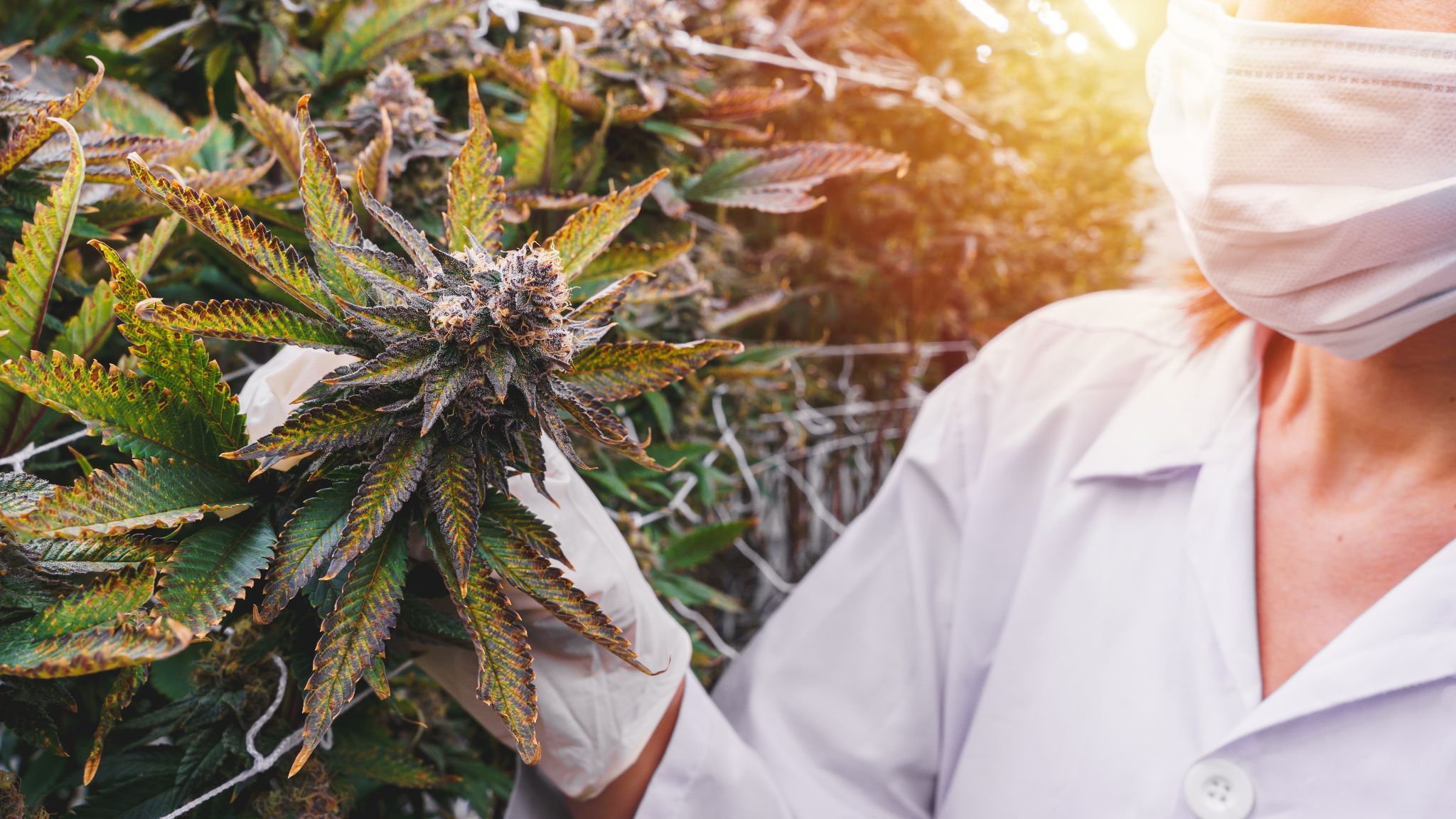
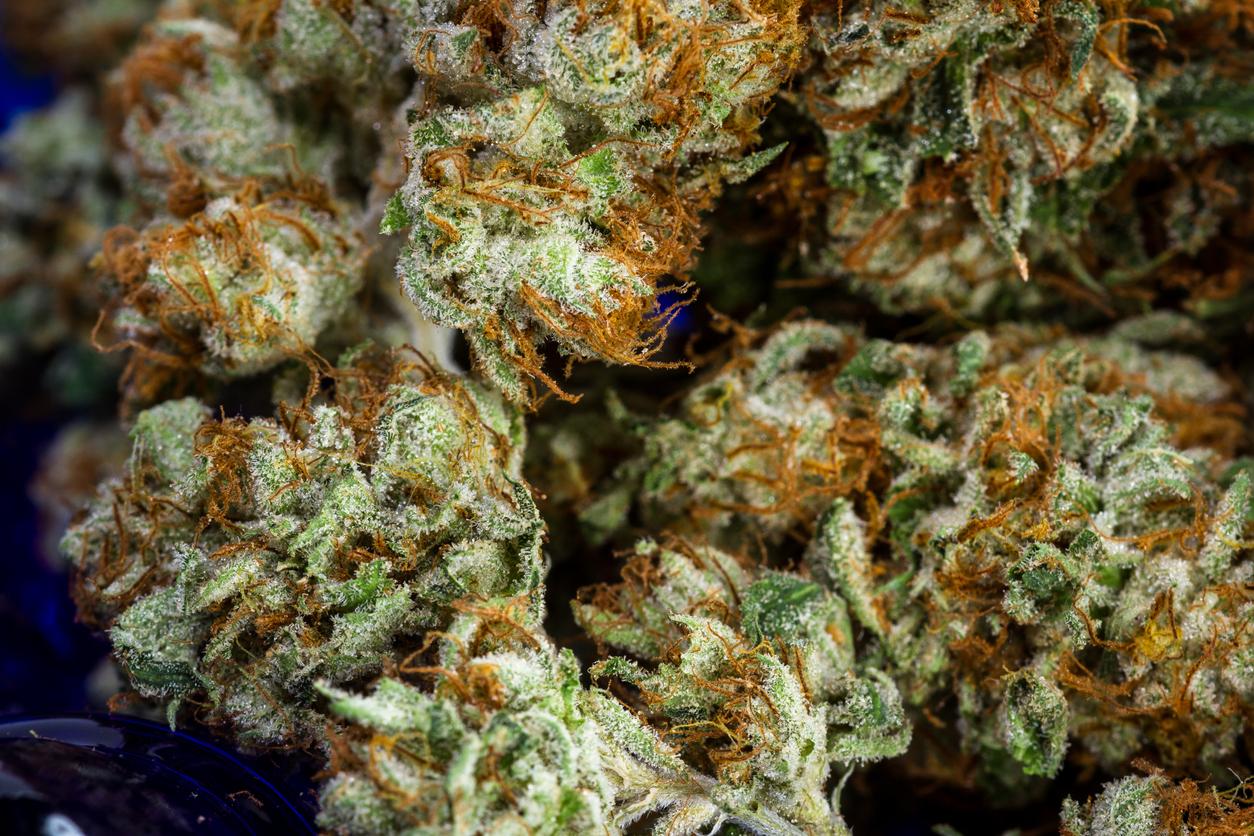
High-quality THCA flower should be visibly frosted with trichomes—the crystalline structures that contain cannabinoids and terpenes. These tiny, mushroom-shaped glands give premium flower its sparkling appearance.
What to Look For:
- Dense trichome coverage across the entire bud surface
- Milky white or amber coloring (clear trichomes indicate premature harvest)
- Trichomes that appear intact, not broken or damaged
- Crystal coverage extending to smaller leaves around the bud
Red Flags:
- Sparse or patchy trichome distribution
- Excessive trim leaves left on the bud (indicates rushed processing)
- Artificially enhanced appearance (some low-quality producers spray buds with substances to fake crystal coverage)
Color and Structure
Premium THCA flower displays vibrant, natural coloring with tight, well-formed bud structure.
Quality Indicators:
- Rich green hues with possible purple, blue, or orange accents (strain-dependent)
- Dense, compact bud structure that’s neither too loose nor overly compressed
- Visible pistils (orange or rust-colored hairs) throughout the flower
- Minimal stem content relative to actual flower material
Warning Signs:
- Brown, yellow, or dull coloring (suggests age, poor storage, or mold)
- Excessively airy or loose structure (indicates suboptimal growing conditions)
- Seeds present in the flower (means the plant was pollinated, reducing potency)
- Excessive stems or leaf material (reduces actual THCA content per weight)
Moisture Content
Proper curing creates the ideal moisture balance—flower that’s neither too dry nor too damp.
The Perfect Balance:
- Buds should feel slightly springy when gently squeezed
- Stems should bend but not snap immediately
- Flower shouldn’t crumble to dust when handled
- No excessive wetness or moisture on your fingers after touching
Problems to Avoid:
- Bone-dry flower that turns to powder (loses terpenes and harshness increases)
- Overly moist or spongy texture (mold risk and inaccurate weight)
- Sticky residue that seems artificial (possible contamination)
The Aroma Test: Terpene Profile Evaluation
Scent provides critical insight into THCA flower quality. Terpenes—the aromatic compounds in cannabis—contribute significantly to effects and indicate proper cultivation and curing.
What Premium THCA Should Smell Like
Quality THCA flower produces strong, complex aromas that immediately announce its presence when the container opens.
Positive Aromatic Indicators:
- Strong, pungent scent that fills the room
- Complex layering of multiple aromatic notes
- Clear dominant terpene profile (citrus, pine, earth, fruit, diesel, etc.)
- Fresh, vibrant quality to the smell
Common Quality Aromatics:
- Citrus Forward: Bright lemon, orange, or grapefruit notes (high limonene)
- Pine and Earth: Forest-like scents with woody undertones (pinene dominant)
- Classic Cannabis Funk: That unmistakable skunky, pungent aroma (myrcene heavy)
- Fruity and Sweet: Berry, grape, tropical, or floral notes (complex terpene blends)
Warning Smell Indicators
Certain odors immediately signal quality problems or potential safety concerns.
Red Flag Aromas:
- Hay-like or grassy smell (improper curing or storage)
- Musty or moldy odors (contamination risk)
- Chemical or perfume-like scents (possible synthetic additives)
- Complete absence of smell (terpene degradation from age or poor storage)
- Ammonia smell (bacterial issues during curing)
Trust your nose—if something smells off, it probably is.
Lab Testing: The Non-Negotiable Quality Standard
Visual and aromatic inspection only tell part of the story. Comprehensive laboratory testing provides the definitive quality assessment for THCA flower.
At Asheville Dispensary, we never compromise on testing. Every product in our inventory undergoes rigorous third-party laboratory analysis, and we make these results readily available to our customers. This transparency isn’t optional—it’s fundamental to quality assurance.
Essential Testing Components
Reputable THCA vendors provide Certificate of Analysis (COA) documentation for every product batch. These third-party lab reports should include:
Cannabinoid Profile Testing:
- Total THCA content (should be 20%+ for premium products, 30%+ for top-tier)
- Delta-9 THC levels (must be under 0.3% for federal compliance)
- CBD and minor cannabinoid content
- Total potential THC after decarboxylation
Safety Screening:
- Pesticide testing (should show “none detected” or below safety thresholds)
- Heavy metal analysis (lead, arsenic, mercury, cadmium)
- Microbial contamination (mold, mildew, bacteria)
- Residual solvent testing (if applicable to processing methods)
How to Read and Verify COAs
Quality vendors make lab testing easily accessible, but knowing how to interpret these documents ensures you’re getting accurate information.
COA Verification Steps:
- Check the Date: Testing should be recent (within 6-12 months) and match the batch you’re purchasing
- Verify the Lab: Look for accredited, independent third-party laboratories—not in-house testing
- Review Cannabinoid Levels: Confirm THCA content matches advertised potency
- Examine Safety Results: All contaminants should show “ND” (none detected) or well below action limits
- Match Batch Numbers: The COA batch number should match your product packaging
Red Flags in Lab Testing:
- No COA available or vendor refuses to provide documentation
- Testing dates significantly older than product manufacture
- COAs that look generic or don’t match specific batches
- Testing from unknown or questionable laboratories
- Suspiciously perfect results (legitimate testing shows some natural variation)
The QR Code Standard
Many premium THCA products now include QR codes directly on packaging that link to batch-specific lab results. This transparency demonstrates vendor confidence and commitment to quality.
Potency Considerations: Understanding THCA Percentages
THCA percentage indicates potential potency, but higher numbers don’t automatically mean better quality. Understanding these measurements helps set appropriate expectations.
Typical THCA Potency Ranges
Entry-Level THCA Flower: 15-20% THCA
- Suitable for newcomers or those seeking milder effects
- Still significantly more potent than CBD hemp flower
- Often more affordable while maintaining quality
Mid-Range THCA Flower: 20-28% THCA
- Balanced potency for regular users
- Delivers strong effects without overwhelming intensity
- Sweet spot for many experienced consumers
Premium High-Potency THCA: 28-35%+ THCA
- Maximum strength products for experienced users
- Requires expert cultivation and genetic selection
- Commands premium pricing but delivers exceptional experiences
Beyond Just Percentages
Total THCA content matters, but the complete cannabinoid and terpene profile determines actual experience quality.
Factors That Enhance Quality Beyond Potency:
- Terpene Diversity: Complex terpene profiles create richer effects and experiences
- Minor Cannabinoids: CBG, CBC, and others contribute to entourage effects
- Freshness: Recently harvested and properly stored flower delivers better experiences regardless of testing numbers
- Genetic Quality: Superior genetics from reputable breeders produce more desirable effects
Source and Cultivation: Where Quality Begins
Premium THCA flower starts with professional cultivation practices. Understanding how and where your product is grown reveals quality commitments.
Indoor vs. Outdoor vs. Greenhouse
Each cultivation method produces distinct characteristics and quality potential.
Indoor Cultivation:
- Advantages: Maximum environmental control, consistent quality, highest potential potency
- Quality Indicators: Dense bud structure, heavy trichome coverage, vibrant colors
- Typical Results: Most premium THCA flower comes from indoor operations
Greenhouse Cultivation:
- Advantages: Natural sunlight with environmental controls, sustainable approach
- Quality Indicators: Good potency with natural terpene development
- Typical Results: Excellent middle-ground between indoor and outdoor quality
Outdoor Cultivation:
- Advantages: Natural growing, potentially superior terpene profiles, environmental sustainability
- Quality Indicators: Larger, sometimes looser bud structure with authentic outdoor character
- Typical Results: Quality varies significantly based on climate and expertise
Growing Practices That Matter
Beyond growing environment, specific cultivation practices separate premium from mediocre THCA flower.
Asheville Dispensary partners exclusively with cultivators who prioritize sustainable, organic growing methods. We visit facilities personally, inspect operations, and maintain ongoing relationships to ensure consistency. This hands-on approach guarantees the products you receive meet our exacting standards.
Quality Cultivation Markers:
- Organic Methods: No synthetic pesticides or harmful chemicals
- Living Soil Practices: Natural, sustainable growing media that enhances terpene profiles
- Expert Genetics: Stable, reputable strains from established breeders
- Proper Nutrient Management: Balanced feeding that maximizes quality without forcing growth
- Harvest Timing: Precise harvesting at peak THCA production
Questions to Ask Vendors:
- Where is your THCA flower grown?
- What cultivation methods do your growers use?
- Do you use organic or synthetic nutrients?
- Can you provide information about the genetics and strain lineage?
- How do you ensure consistency across batches?
Transparent vendors welcome these questions and provide detailed answers. Evasive responses suggest quality concerns.
At Asheville Dispensary, our team is always ready to answer these questions and provide complete transparency about our sourcing and cultivation partnerships.
Proper Curing and Storage: The Quality Preservation
Even exceptional cultivation can be ruined by improper post-harvest handling. Curing and storage directly impact the final product you receive.
The Curing Process
Proper curing develops flavor, smooths harshness, and preserves cannabinoid and terpene content.
Signs of Quality Curing:
- Smooth smoke or vapor without excessive harshness
- Full, developed terpene profile
- Proper moisture balance (not too dry or damp)
- Clean burn that produces white or light gray ash
Poor Curing Indicators:
- Harsh, throat-scratching smoke
- Hay-like or grassy smell
- Excessively dry or brittle texture
- Black ash or incomplete combustion
Storage and Packaging
How THCA flower is stored from harvest to your hands affects quality preservation. Asheville Dispensary maintains climate-controlled storage facilities and uses premium packaging materials to ensure products arrive in optimal condition. Our attention to storage details preserves the trichomes, terpenes, and cannabinoid content you expect from quality THCA flower.
Premium Storage Practices:
- Airtight, light-resistant containers (glass jars or quality mylar bags)
- Humidity control (ideal: 55-62% relative humidity)
- Cool, dark storage locations
- Proper packaging that prevents crushing or damage during shipping
Storage Red Flags:
- Clear packaging that exposes flower to light
- Cheap plastic bags that don’t seal properly
- Products stored in excessively hot or humid conditions
- Packaging that arrives crushed or damaged
Price and Value: What Quality Should Cost
Premium THCA flower requires expertise, equipment, testing, and quality control. These investments reflect in pricing.
At Asheville Dispensary, we believe in fair pricing that reflects genuine quality without excessive markup. Our direct relationships with cultivators and efficient operations allow us to offer premium THCA flower at competitive rates.
Understanding Fair Pricing
Quality comes at a cost, but excessive pricing doesn’t guarantee superior products.
General Price Ranges (per ounce):
- Budget Options: $40-80 (entry-level quality, acceptable for price-conscious consumers)
- Mid-Range Quality: $80-150 (good balance of quality and value)
- Premium Products: $150-250+ (top-tier cultivation, testing, and consistency)
Price Evaluation Factors:
- Higher prices should correlate with superior testing results
- Premium genetics and cultivation methods justify increased costs
- Small-batch, craft production typically costs more than large-scale operations
- Geographic factors affect pricing (closer to production generally means lower costs)
Red Flags in Pricing
Suspiciously Low Prices:
Products significantly below market rates often indicate:
- Inferior cultivation practices
- Outdated or improperly stored inventory
- Minimal or no laboratory testing
- Questionable legal compliance
- Bulk products repackaged and sold as premium
Unjustified High Prices:
Some vendors charge premium rates without delivering corresponding quality:
- Fancy packaging that exceeds product value
- Marketing hype without substance
- Limited availability claims that aren’t genuine
- Celebrity or brand endorsements that inflate prices
Premium pricing should be backed by transparent cultivation information, comprehensive testing, and verified customer satisfaction.
Vendor Reputation: Trust Matters in THCA Markets
The THCA market includes established dispensaries, opportunistic retailers, and everything between. Vendor reputation provides crucial context for quality assessment.
Since 2018,Asheville Dispensary has built a reputation on consistency, transparency, and customer education. Our longevity in this evolving market demonstrates our commitment to sustainable business practices and genuine quality standards.
Evaluating Vendor Credibility
Positive Reputation Indicators:
- Established History: Years in business with consistent operations
- Transparent Operations: Clear information about sourcing, testing, and practices
- Educational Focus: Prioritizes customer education over aggressive sales tactics
- Responsive Service: Quick, knowledgeable responses to customer questions
- Verified Reviews: Authentic customer feedback across multiple platforms
- Community Presence: Active engagement in hemp and cannabis communities
Warning Signs:
- New vendors with no track record or verifiable history
- Refusal to provide detailed product information or lab testing
- Aggressive marketing with exaggerated claims
- Poor customer service or communication
- Exclusively positive reviews that seem manufactured
- Frequent brand changes or unstable business operations
Customer Feedback Analysis
Real customer experiences provide invaluable insight into actual product quality.
Where to Find Reliable Reviews:
- Independent review platforms (Trustpilot, Google Reviews)
- Cannabis and hemp community forums (Reddit’s hemp communities)
- Social media engagement and comment sections
- Direct testimonials on vendor websites (with healthy skepticism)
What to Look For in Reviews:
- Specific details about products, effects, and quality
- Balanced feedback that includes both positives and negatives
- Discussion of customer service experiences
- Photos of actual products received
- Comments about shipping, packaging, and freshness
When you read reviews about Asheville Dispensary, you’ll notice customers consistently mention our responsive customer service, quality packaging, and the educational approach our team takes. This authentic feedback reflects our daily commitment to customer satisfaction.
Review Red Flags:
- Exclusively five-star ratings with generic comments
- No negative reviews despite significant sales volume
- Reviews that read like advertisements
- Inability to find any independent feedback
The Asheville Dispensary Standard
Since 2018, we’ve built our reputation on unwavering commitment to THCA flower quality and customer transparency.
Our Quality Framework:
Rigorous Product Selection:
- Personal evaluation of every strain before offering to customers
- Exclusive partnerships with growers who share our quality standards
- Regular facility visits to cultivation partners
- Ongoing quality monitoring across all product batches
Comprehensive Testing:
- Third-party laboratory analysis for every batch
- Full cannabinoid profiling and safety screening
- Easily accessible COA documentation
- Verification of federal compliance for all products
Customer Education:
- Detailed product information and strain profiles
- Knowledgeable support team for questions and guidance
- Educational resources about THCA and cannabis
- No-pressure environment focused on informed decisions
Sustainable Practices:
- Priority given to organic cultivation methods
- Environmental responsibility in growing and packaging
- Support for small-batch, craft producers
- Long-term relationships with ethical cultivators
Your Path to Premium THCA
Quality THCA flower delivers the cannabis experience you’re seeking—potent effects, rich flavors, and consistent satisfaction. Settling for subpar products wastes money and undermines your experience.
At Asheville Dispensary, we invite you to explore our carefully curated selection of premium THCA flower. Every product meets the exacting standards outlined in this guide, backed by comprehensive testing, transparent sourcing, and our commitment to your satisfaction.
Whether you’re new to THCA or a seasoned enthusiast, our team provides the expertise and support to ensure you find exactly what you’re looking for.
Ready to experience the difference quality makes? Browse our selection and discover why thousands of customers trust Asheville Dispensary for their THCA needs.
Frequently Asked Questions
How can I tell if THCA flower is high quality without lab testing?
Visual inspection (trichome coverage, color, structure), aroma strength and complexity, and proper moisture content provide reliable initial quality indicators. However, comprehensive lab testing remains the definitive quality standard.
What THCA percentage should I look for?
Entry-level products range from 15-20% THCA, mid-range from 20-28%, and premium high-potency from 28-35%+. Choose based on your experience level and desired effects rather than simply seeking the highest number.
Is expensive THCA always better quality?
Not necessarily. Premium pricing should correlate with superior cultivation, testing, and genetics, but some vendors charge excessive rates for marketing rather than quality. Evaluate based on the complete quality framework, not price alone.
How long does quality THCA flower stay fresh?
Properly stored in airtight, light-resistant containers at 55-62% humidity, quality THCA flower maintains peak freshness for 6-12 months. Beyond this timeframe, terpene degradation and potency loss accelerate.
Should THCA flower smell as strong as regular marijuana?
Yes. Quality THCA flower produces identical aromatic profiles to traditional cannabis because both contain the same terpenes. Weak or absent smell indicates quality issues.
What’s the most important quality indicator?
Comprehensive third-party lab testing. While visual and aromatic assessments matter, only laboratory analysis definitively confirms potency, purity, and safety.
Can I trust THCA flower that’s significantly cheaper than average?
Extremely low prices typically indicate compromised quality—inferior cultivation, minimal testing, poor storage, or questionable compliance. Premium THCA requires investment in proper production.
How do I know if THCA flower has been sprayed with additives?
Look for unnatural shine or stickiness, chemical or perfume-like odors, and suspiciously uniform appearance. Demand lab testing for pesticides and contaminants. Reputable vendors never enhance products with sprays or additives.