

The legal status of Tetrahydrocannabinolic acid (THCA) in Texas is one of the most complex and contentious issues facing the state’s cannabis industry in 2026. Technically legal under the 2018 Farm Bill and Texas House Bill 1325, THCA exists in a precarious regulatory gray area that has sparked lawsuits, forensic science debates, and legislative battles.
For consumers and businesses, the stakes are enormous. The Texas hemp-derived cannabinoid industry generates $5.547 billion in total revenue and supports over 53,000 jobs. Yet, recent developments—including Executive Order GA-56, proposed fee increases of up to 13,000%, and findings from the Texas Forensic Science Commission regarding flawed testing methods—have created a volatile environment where legal products can result in felony charges.
The $10.3 Billion Question: Why Texas’s THCA Industry Hangs in the Balance
According to a 2025 Whitney Economics report, the total economic impact of the Texas hemp industry is $10.28 billion when accounting for multiplier effects. Restrictive bans on THCA could result in the loss of 40,201 jobs and $1.6 billion in lost wages for Texas workers.
This guide provides a definitive analysis of THCA legality in Texas, backed by government documents, forensic science reports, and economic data that reveals the true scope of the issue.
What Is THCA and Why Is It Controversial in Texas?
THCA is the non-psychoactive precursor to THC that converts to psychoactive Delta-9 THC when heated. It’s controversial because while technically legal as hemp (containing less than 0.3% Delta-9 THC), it produces identical effects to marijuana when smoked or vaped, creating a legal loophole that law enforcement and legislators seek to close.
Tetrahydrocannabinolic acid (THCA) is found in raw cannabis plants. Unlike THC, THCA does not produce a “high” when consumed in its raw form. It only becomes psychoactive through a process called decarboxylation—heating the molecule to remove a carboxyl group (CO2).
In Texas, THCA flower has become a dominant product, representing 25.3% of the retail market, second only to edibles. Its popularity stems from a legal loophole: because federal and state laws define hemp based on Delta-9 THC concentration (limited to 0.3%), high-THCA flower is technically compliant as long as the Delta-9 levels remain low.
However, this distinction is controversial because THCA converts to Delta-9 THC when smoked or vaped. Law enforcement agencies and some legislators argue that THCA is essentially marijuana by another name, while industry advocates maintain it is a distinct, federally legal hemp product.
Is THCA Legal in Texas? The Current Law Explained
Yes, THCA is currently legal in Texas as of early 2026, but its status is under threat from regulatory changes and proposed bans. THCA products are legal because they meet the definition of hemp (containing less than 0.3% Delta-9 THC by dry weight) under Texas House Bill 1325 and the 2018 Farm Bill.
The foundation of this legality lies in a legal distinction: while THCA can convert to THC when heated, it is not explicitly listed as Delta-9 THC in its raw form. This creates a loophole that allows high-THCA products to be sold as compliant hemp.
The 0.3% Delta-9 THC Rule
Hemp in Texas must contain no more than 0.3% Delta-9 THC by dry weight—THCA is not counted in this limit. Under Texas Health and Safety Code Chapter 443, “hemp” is defined as the plant Cannabis sativa L. with a Delta-9 tetrahydrocannabinol concentration of not more than 0.3 percent on a dry weight basis. Crucially, the statute does not explicitly list THCA as a controlled substance, creating the legal opening for high-THCA products.
Certificate of Analysis Requirements
Every legal hemp product must have a lab-tested Certificate of Analysis (COA) showing less than 0.3% Delta-9 THC. To be legal, every batch must be tested by an independent laboratory. A Certificate of Analysis (COA) must prove that the product contains less than 0.3% Delta-9 THC. However, Texas regulations require “total THC” testing for pre-harvest hemp crops, but the rules for post-harvest final products have been interpreted differently by the industry, allowing for the sale of THCA flower.
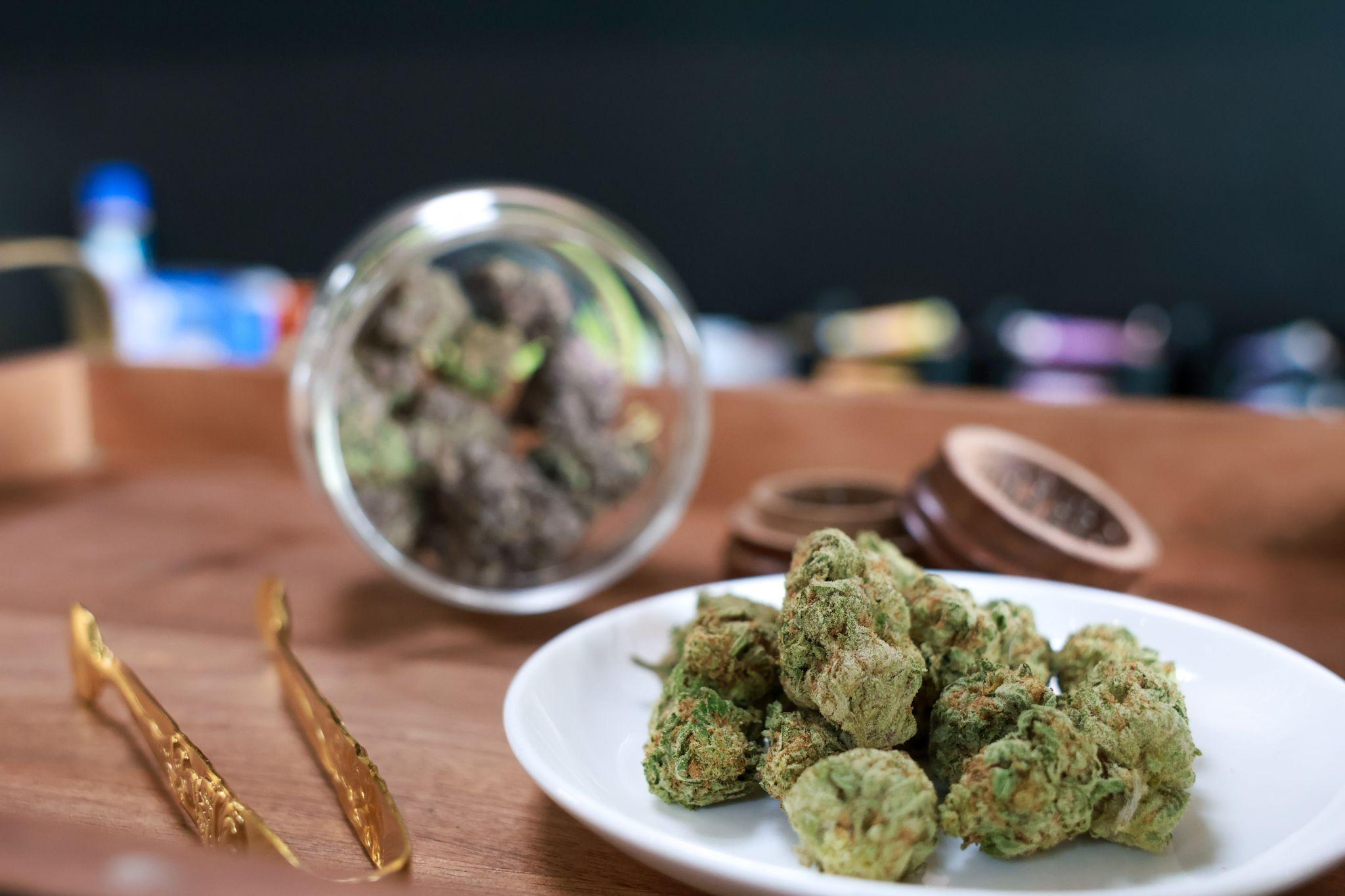
THCA flower accounts for over 25% of the retail hemp market in Texas, generating $571 million in annual revenue.
THCA vs THC: Understanding the Chemical Difference
THCA is the acidic, non-psychoactive form of THC that converts to psychoactive THC when heated through decarboxylation. The molecular difference is a single carboxyl group (COOH), which THCA loses when exposed to heat, becoming Delta-9 THC. This chemical conversion is why THCA flower won’t get you high if eaten raw, but will if smoked.
Understanding this relationship is critical for grasping why forensic testing has become a battleground in Texas courts and why the legal distinction between hemp and marijuana often comes down to chemistry.
The Decarboxylation Process
THCA converts to THC at different rates depending on temperature: 3 hours at 212°F, 10 minutes at 320°F, or instantly at 392°F. According to research from the European Industrial Hemp Association (EIHA), THCA is thermally unstable and the rate of conversion depends heavily on temperature:
| Temperature | Time Required for Full Conversion |
| 100°C (212°F) | 3 hours |
| 160°C (320°F) | 10 minutes |
| 200°C (392°F) | Seconds (instant conversion) |
This process explains why raw THCA flower won’t get you high if you eat it, but will if you smoke it. The heat from a lighter (which burns at over 600°F) instantly decarboxylates the THCA into psychoactive THC.
The 0.877 Conversion Factor Explained
When THCA converts to THC, it loses mass because the carboxyl group is released as carbon dioxide. The scientific formula for calculating the potential THC content is:
Total THC = (THCA × 0.877) + Delta-9 THC
This “Total THC” formula is at the heart of the legal dispute. While federal law uses this standard for hemp production, the definition of “hemp” in the 2018 Farm Bill for finished products relies only on the Delta-9 THC concentration, creating the loophole that allows THCA products to exist.
The Forensic Science Problem: Why THCA Testing May Be Unreliable
Texas DPS crime labs use testing methods that convert THCA to THC during analysis, making it impossible to distinguish legal THCA products from illegal marijuana. This is a critical flaw acknowledged by the Texas Forensic Science Commission in 2025. If you are arrested for possession of a legal THCA product, the crime lab may incorrectly identify it as illegal marijuana due to testing limitations.
How DPS Crime Labs Convert THCA to THC During Testing
Gas Chromatography (GC) testing heats samples to high temperatures, converting legal THCA to illegal THC during the test itself. Most crime laboratories, including the Texas Department of Public Safety (DPS) labs, use this method to test seized cannabis. The method involves heating the sample to high temperatures to vaporize it for analysis.
The critical problem: The testing process itself converts legal THCA into illegal Delta-9 THC. By heating the sample, the lab effectively creates the evidence of a crime where none may have existed before.
The Texas Forensic Science Commission’s Findings
In a groundbreaking 2025 report, the Texas Forensic Science Commission acknowledged this critical flaw. The Commission found that DPS testing methods cause decarboxylation, making it impossible to distinguish between legal THCA and illegal Delta-9 THC in certain contexts without specialized protocols.
Critical Admission: DPS Disclosure Letter
On July 2, 2025, the Texas DPS Crime Laboratory Division issued a disclosure letter stating that their testing methods for vape cartridges “cause partial conversion of delta-9-THCA, if present, to delta-9-THC” and that analysts “are not able to determine the contribution of converted delta-9-THCA in relation to the total delta-9-THC content.”
This admission is a powerful tool for legal defense. It essentially means the state’s own forensic labs cannot scientifically prove whether a vape cart contained illegal Delta-9 THC or legal THCA before they tested it.
The Economic Impact of THCA in Texas
THCA generates $571 million in annual retail revenue and supports thousands of the 53,000 jobs in Texas’s $5.5 billion hemp industry. Beyond the legal arguments, the economic reality of THCA in Texas is undeniable. The industry has become a massive economic engine for the state, rivaling traditional agricultural sectors.
The $5.5 Billion Texas Hemp Market
According to the Whitney Economics report for the Texas Hemp Business Council, the hemp-derived cannabinoid market in Texas generated $5.547 billion in revenue in 2024. This activity generated $267.7 million in sales tax revenue for the state—funds that support schools, infrastructure, and public services.
THCA’s $571 Million Market Share
THCA is not a niche product. Retail sales of THCA products alone account for approximately $571 million annually. This makes it the second-largest product category in the market, representing over 25% of all sales.
53,000 Jobs at Risk
The human cost of potential bans is staggering. The industry employs 53,382 workers across Texas, with over 41,000 of those in the retail sector. These jobs pay an average of $17.83 per hour, providing living wages for tens of thousands of families.
Will THCA Be Banned in Texas? Future Outlook
THCA faces potential bans through three pathways: proposed 13,000% fee increases that would price out businesses, federal regulations closing the loophole, and ongoing state legislative efforts. Despite its economic importance, THCA faces existential threats from multiple regulatory angles in 2026.
Proposed DSHS Rules: The 13,000% Fee Increase
The Texas Department of State Health Services (DSHS) has proposed rule changes that would drastically increase licensing fees. Manufacturer fees could jump from $250 to $25,000—a 9,900% increase—while retail registration fees could skyrocket from $155 to $20,000. Such prohibitive costs would effectively ban thousands of small businesses from selling THCA products.
The Federal 2025 Appropriations Bill Effect
Federal law may override state regulations. The 2025 federal appropriations bill includes language redefining hemp to exclude products with more than 0.3% total THC (including THCA). If enacted and enforced, this would close the “THCA loophole” nationwide, rendering state-level defenses moot.
Senate Bill 3 and the Veto
While the Texas legislature has attempted to ban Delta-8 and other isomers, Lieutenant Governor Dan Patrick’s priority legislation (Senate Bill 3) failed to pass in 2025. However, the political pressure to “close the loophole” remains high, with ongoing legislative efforts expected in future sessions.
THCA Flower vs Marijuana: What’s the Difference?
THCA flower and marijuana are physically identical—the only legal difference is that hemp must test below 0.3% Delta-9 THC. From a visual and olfactory perspective, THCA flower and marijuana are indistinguishable. Both are the same plant species (Cannabis sativa L.); the only difference is the chemical compliance at the time of testing.
- Visuals: Identical buds, trichomes, and structure.
- Smell: Identical terpene profiles.
- Legal Status: Hemp must test <0.3% Delta-9 THC; Marijuana tests >0.3% Delta-9 THC.
This lack of physical difference makes enforcement difficult for police officers on the street, leading to the high number of arrests despite the legal status of hemp.
Will THCA Show Up on a Drug Test?
Yes, THCA use will cause you to fail a standard drug test. When you consume THCA (especially by smoking or vaping), it converts to THC and produces THC metabolites that remain in your system. Standard workplace and legal drug tests screen for THC-COOH (THC metabolite) and cannot distinguish between legal THCA consumption and illegal marijuana use.
This creates a significant practical risk for consumers. Even though you purchased and used a federally legal hemp product in Texas, you may still face employment consequences or legal complications if required to take a drug test. If you are subject to drug testing for work, probation, or other reasons, consuming THCA products carries the same risk as using marijuana.
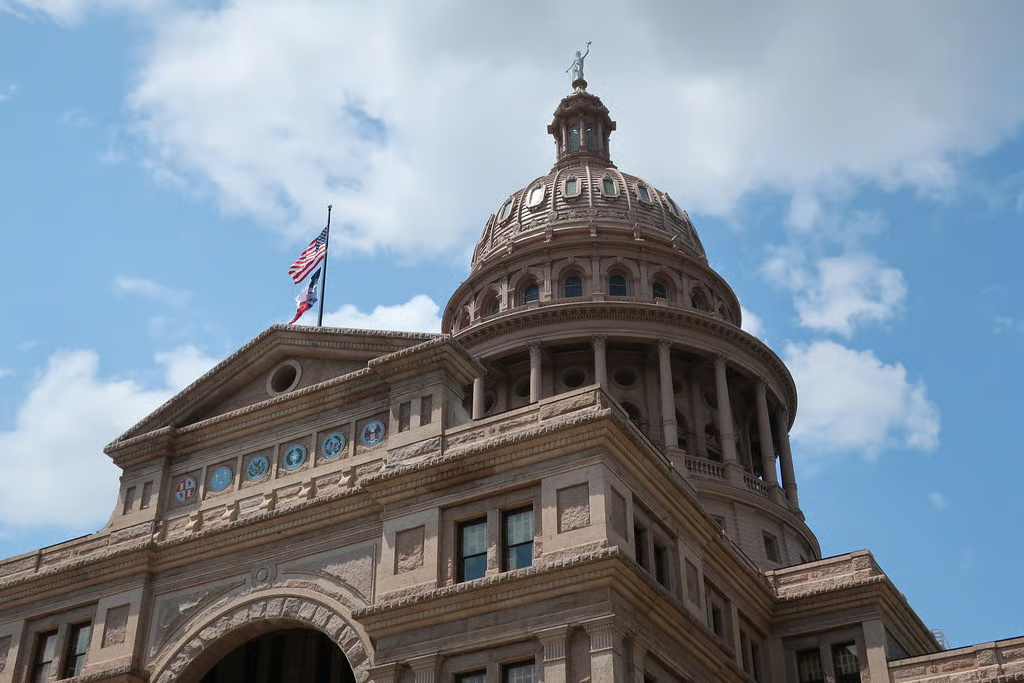
Public support for cannabis reform in Texas is high, with 79% supporting medical marijuana legalization, creating tension with restrictive state policies.
Penalties for THCA Possession in Texas
Possession of less than 1 gram of THC (if THCA is deemed illegal) is a state jail felony punishable by 180 days to 2 years in jail and up to $10,000 in fines. If your THCA product is deemed illegal marijuana—whether through officer discretion or flawed lab testing—the penalties in Texas are severe and escalate rapidly with amount possessed.
Penalty Group 2 Classification
Under the Texas Controlled Substances Act, THC (including Delta-9, Delta-8, and converted THCA) is classified in Penalty Group 2. Unlike raw marijuana leaf (which has its own penalty group), THC concentrates, edibles, and vapes carry felony charges for any amount.
| Amount Possessed | Charge Level | Potential Penalty |
| Less than 1 gram | State Jail Felony | 180 days to 2 years in jail, up to $10,000 fine |
| 1 to 4 grams | 3rd Degree Felony | 2 to 10 years in prison, up to $10,000 fine |
| 4 to 400 grams | 2nd Degree Felony | 2 to 20 years in prison, up to $10,000 fine |
Important Note: For edibles and vapes, Texas law weighs the entire product (including the gummy candy or vape cartridge liquid), not just the THC content. A single bag of gummies could result in a 2nd Degree Felony charge.
Texas Arrest Statistics
Despite the legalization of hemp, Texas led the nation with over 26,600 marijuana-related arrests in 2024. 98% of these were for simple possession. This highlights the disconnect between the legal status of hemp and the reality of law enforcement practices.
What To Do If You’re Charged With THCA Possession
Immediately request your Certificate of Analysis, challenge the Gas Chromatography test results, and use the DPS disclosure letter that admits they cannot distinguish THCA from THC. If you are arrested for possessing a legal THCA product, understanding the forensic science issues is your best defense.
- Request the Certificate of Analysis (COA): Always keep the COA and packaging for your products. This is your primary evidence that you purchased a compliant hemp item.
- Challenge the Testing Method: Your attorney should challenge any Gas Chromatography (GC) test results, as they artificially convert THCA to THC.
- Use the DPS Disclosure Letter: The July 2025 DPS letter admitting they cannot distinguish THCA from Delta-9 THC in vapes is a powerful exculpatory document.
- Contact a Cannabis Defense Lawyer: Given the felony risks, specialized legal counsel familiar with hemp laws is essential.
Public Opinion: What Texans Really Think About Cannabis
79% of Texans support medical marijuana legalization, and 62% support full recreational legalization, showing a major disconnect with state policy. The restrictive stance of Texas leadership contrasts sharply with public opinion. According to a 2025 University of Houston Hobby School survey:
- 79% of Texans support legalizing medical marijuana with a prescription.
- 67% support decriminalizing marijuana possession.
- 62% support full recreational legalization.
This data suggests a significant disconnect between the democratic will of Texans and the current legislative attempts to ban THCA and restrict hemp access.
Buying THCA in Texas: Where to Shop and What to Look For
THCA is available at over 7,550 retail locations across Texas—look for stores with visible DSHS licenses and products with QR-coded Certificates of Analysis. However, quality and compliance vary significantly among retailers.
Finding Licensed Retailers
Look for shops that display their Consumable Hemp Product License from DSHS. Reputable retailers will have these documents visible and will strictly enforce age limits (21+).
Checking Certificates of Analysis
Never buy a product that lacks a QR code linking to a full panel COA. Verify that the THCA flower test results show less than 0.3% Delta-9 THC and that the test is recent.
Disclaimer: This article is for educational purposes only and does not constitute legal advice. Cannabis laws in Texas are subject to change. Always verify the current laws in your jurisdiction and consult with an attorney if you have legal concerns. For more information on federal laws, visit our 2026 Legal Guide.


